
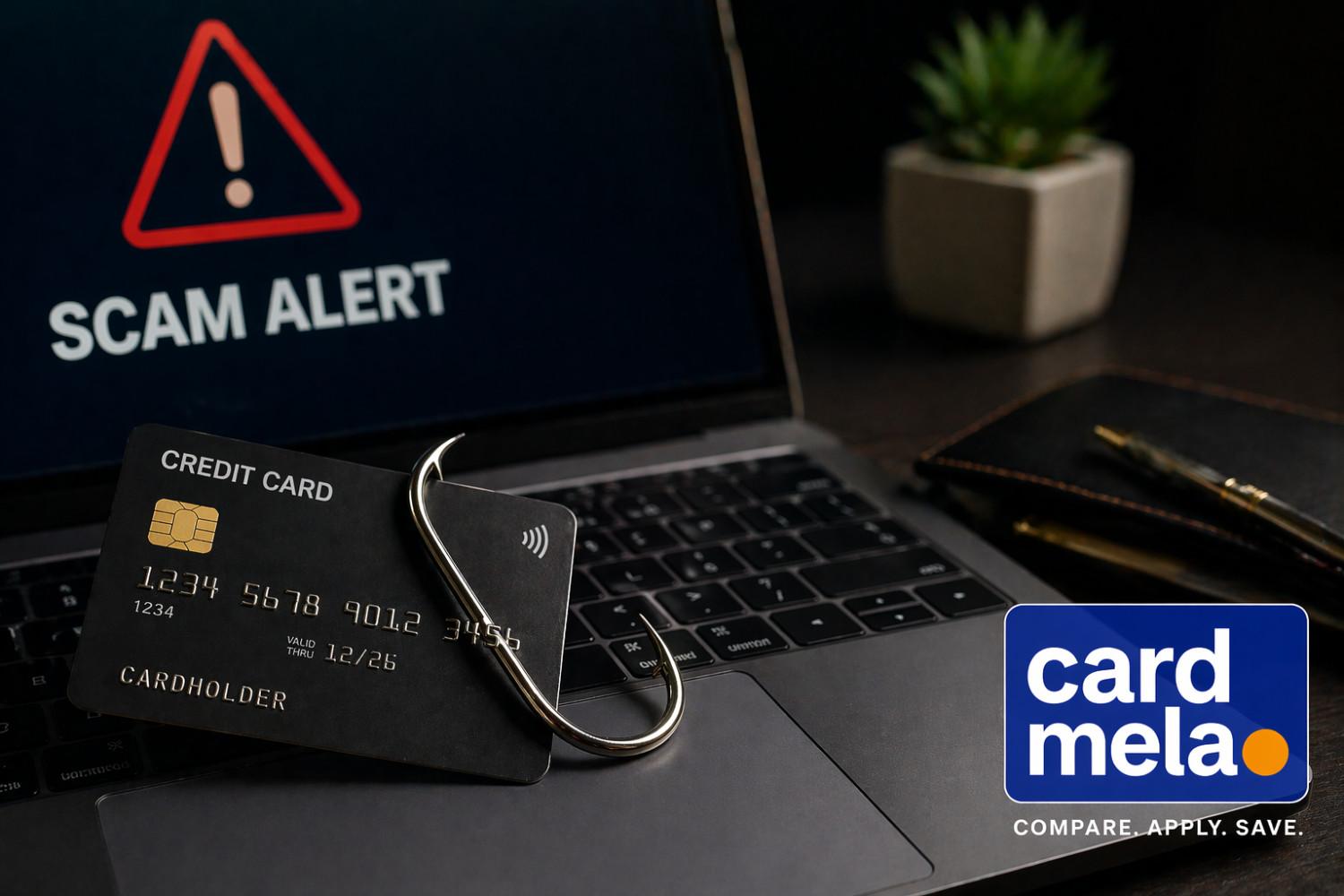
Credit Card Scam Alert 2026
Table of Contents
Credit Card Scam Alert 2026: How to Stay Safe & Protect Your Money in India
Introduction
Imagine this: you’re sitting at home, casually scrolling your phone, when suddenly you receive a call from someone claiming to be from your bank. They sound professional, they know your name, and they warn you that your credit card is about to be blocked unless you verify an OTP immediately. In a moment of panic, you share the OTP—and within minutes, your account is drained.
This is not a rare scenario in 2026. In fact, thousands of users across India face similar situations every day. As digital payments grow rapidly, so do the tactics used by scammers. Credit cards, while extremely convenient and rewarding, have become one of the primary targets for fraudsters.
Financial institutions like HDFC Bank, ICICI Bank, Axis Bank, and State Bank of India are constantly upgrading their security systems, but scammers are evolving just as quickly. The real difference between a safe user and a victim often comes down to awareness and quick decision-making.
This guide is not just about information—it’s about helping you think like a scammer, recognize red flags instantly, and protect your money with confidence.
Explanation
Let’s break down how scams actually happen in real life.
A user receives a message that looks exactly like it came from a trusted platform such as Amazon or Flipkart. The message offers a huge discount or claims there is an issue with a recent transaction. The user clicks the link, enters their card details, and unknowingly hands over their information to fraudsters.
In another scenario, a scammer calls pretending to be a bank executive. They create urgency—“Your card will be blocked in 10 minutes”—and pressure the user into sharing sensitive details. The psychological trick here is simple: fear + urgency = quick reaction.
Modern scams are no longer about hacking systems—they are about hacking human behavior.
Even UPI-linked credit cards are now being targeted. Fraudsters send collect requests or fake payment approvals, tricking users into authorizing transactions themselves.
Benefits
Being aware of credit card scams does more than just protect your money—it changes the way you interact with your finances. Once you understand how scams work, you become more confident in using digital payments without fear.
You start noticing small details—like suspicious links, unusual messages, or unexpected calls—that you might have ignored earlier. This awareness acts like a shield, protecting not just your credit card but your entire financial identity.
Another benefit is peace of mind. Instead of constantly worrying about fraud, you gain control over your financial security. You know what to do, what to avoid, and how to respond quickly if something goes wrong.
Over time, this awareness turns you into a “smart user”—someone who enjoys all the benefits of credit cards while staying one step ahead of scammers.
Uses
Safe credit card practices are not just theoretical—they apply to your daily life in multiple ways.
When you shop online on platforms like Amazon, you double-check URLs before entering your card details. When booking travel through MakeMyTrip, you ensure the platform is authentic.
Even while making small payments, you stay alert. You avoid saving card details on unknown websites, and you prefer secure payment gateways.
In public places, you avoid using unsecured Wi-Fi for transactions. During international travel, you enable alerts to track every transaction in real time.These small habits may seem simple, but they create a powerful defense system against fraud.
Practicing secure credit card usage is essential in multiple real-life scenarios and helps prevent fraud effectively.
- Safe online shopping on platforms like Amazon
- Secure travel bookings via MakeMyTrip
- Contactless payments with fraud protection
- International transactions with security alerts
- Monitoring transactions through banking apps
These practices ensure that users can enjoy the convenience of credit cards without exposing themselves to unnecessary risks.
NEW Secure Credit Cards in India
These cards are not just for rewards—they also come with strong fraud protection, alerts, and secure transaction features.
HDFC Bank MoneyBack+ Credit Card
- Real-time fraud alerts + cashback
- Good for beginners and safe online usage
Axis Bank Neo Credit Card
- Secure online transactions + OTT offers
- Good for digital users
SBI SimplyCLICK Credit Card
- Extra protection on online spends
- Best for e-commerce users
IDFC FIRST Classic Credit Card
- Zero annual fee + strong security alerts
- Good for safe daily usage
HDFC Bank Millennia Credit Card
- Advanced fraud detection + cashback
👉 Apply Now on CardMela
Axis Bank ACE Credit Card
- Safe bill payments
👉 Apply Now on CardMela
SBI Cashback Credit Card
- Secure + high cashback
👉 Apply Now on CardMela
IDFC FIRST Select Credit Card
- Strong fraud protection features
👉 Apply Now on CardMela
Table: Types of Credit Card Scams
| Scam Type | Method | Risk Level |
|---|---|---|
| Phishing | Fake calls/messages | High |
| Fake Websites | Fraud portals | High |
| Skimming | Card cloning | Medium |
| OTP Fraud | Social engineering | High |
Table: Safe vs Unsafe Behavior
| Action | Safe User | Risky User |
|---|---|---|
| Sharing OTP | Never | Sometimes |
| Checking URLs | Always | Rarely |
| Monitoring transactions | Regularly | Ignored |
Table: Immediate Actions After Fraud
| Step | Action |
|---|---|
| Step 1 | Block card immediately |
| Step 2 | Inform bank |
| Step 3 | File complaint |
| Step 4 | Monitor account |
Tips
The smartest credit card users are not the ones who know the most—they are the ones who react correctly in critical moments. One of the most important habits is to pause before taking action. Scammers rely on urgency, so taking even 10 seconds to think can prevent a major mistake.
Another powerful tip is to use separate cards for different purposes. For example, one card can be used only for online transactions, while another is used for offline spending. This reduces risk and makes it easier to track suspicious activity.
Users should also disable international transactions when not required. This simple setting can prevent unauthorized global transactions.
Keeping a low transaction limit for online payments is another smart move. Even if fraud occurs, the potential loss is minimized.
Finally, trust your instincts. If something feels suspicious, it probably is. It is always better to verify than to regret later.
Internal Linking
- How to Protect Your Bank Account from Fraud
- Best Cashback Credit Cards in India
- How to Build a Strong Credit Score
- How to Maximize Credit Card Rewards
External Linking
- Reserve Bank of India – Official guidelines on credit card safety
- National Payments Corporation of India – UPI & digital payment security
- Ministry of Electronics and Information Technology – Cyber security awareness initiatives
- Cyber Crime Portal India – Report fraud cases online
- SEBI – Financial awareness & fraud alerts
Conclusion
In the world of digital finance, convenience and risk go hand in hand. Credit cards have made life easier, faster, and more rewarding—but they have also created opportunities for fraudsters to exploit users who are unaware or unprepared.
The truth is, you don’t need to be a tech expert to stay safe. You just need awareness, discipline, and the ability to recognize warning signs. Most scams are preventable, and the difference between safety and loss often comes down to a single decision.
By staying informed, practicing safe habits, and using credit cards responsibly, you can enjoy all their benefits without fear. In fact, once you understand how scams work, you’ll realize that you are no longer an easy target—you are in control.
Frequently Asked Questions
Q1. What is the most common credit card scam in 2026?
The most common scam is OTP fraud, where scammers trick users into sharing one-time passwords by pretending to be bank officials.
Q2. Can banks like HDFC Bank or ICICI Bank ask for OTP or CVV?
No, banks never ask for sensitive information like OTP, CVV, or PIN. Anyone asking for this is a scammer.
Q3. What should I do immediately if I receive a suspicious call?
Disconnect the call immediately and contact your bank through official customer care numbers.
Q4. How do scammers get my credit card details?
They use phishing links, fake websites, data leaks, and social engineering techniques to collect your information.
Q5. Can I block my credit card instantly?
Yes, most banks provide instant blocking options via mobile apps, SMS, or customer care.
Q6. Will I get my money back after a fraud transaction?
In many cases, yes—if you report the fraud quickly as per guidelines of the Reserve Bank of India.
Q7. Are contactless payments safe?
Yes, they are safe for small transactions, but you should set limits and enable alerts.
Q8. How can I identify a fake website?
Check for HTTPS, verify the domain name, and avoid clicking on unknown or shortened links.
Q9. Is using credit cards on public Wi-Fi safe?
No, it is risky. Avoid making transactions on unsecured networks.
Q10. Can scammers access my card without OTP?
In some cases (like international transactions or saved cards), OTP may not be required, so always enable alerts and limits.
Author Bio
A platform dedicated to helping users compare credit cards and make smarter financial decisions. He specializes in banking trends, AI in finance, and cashback strategies, providing practical insights to maximize savings and optimize spending in India.
Whether you’re looking for cashback, travel rewards, fuel savings, or lifetime free cards — CardMela helps you compare, analyze, and choose the credit card that fits your lifestyle perfectly. We partner with leading partners to bring you exclusive offers and detailed insights, so you can make smart financial decisions with confidence.
© 2025 CardMela.com. All rights reserved.
