
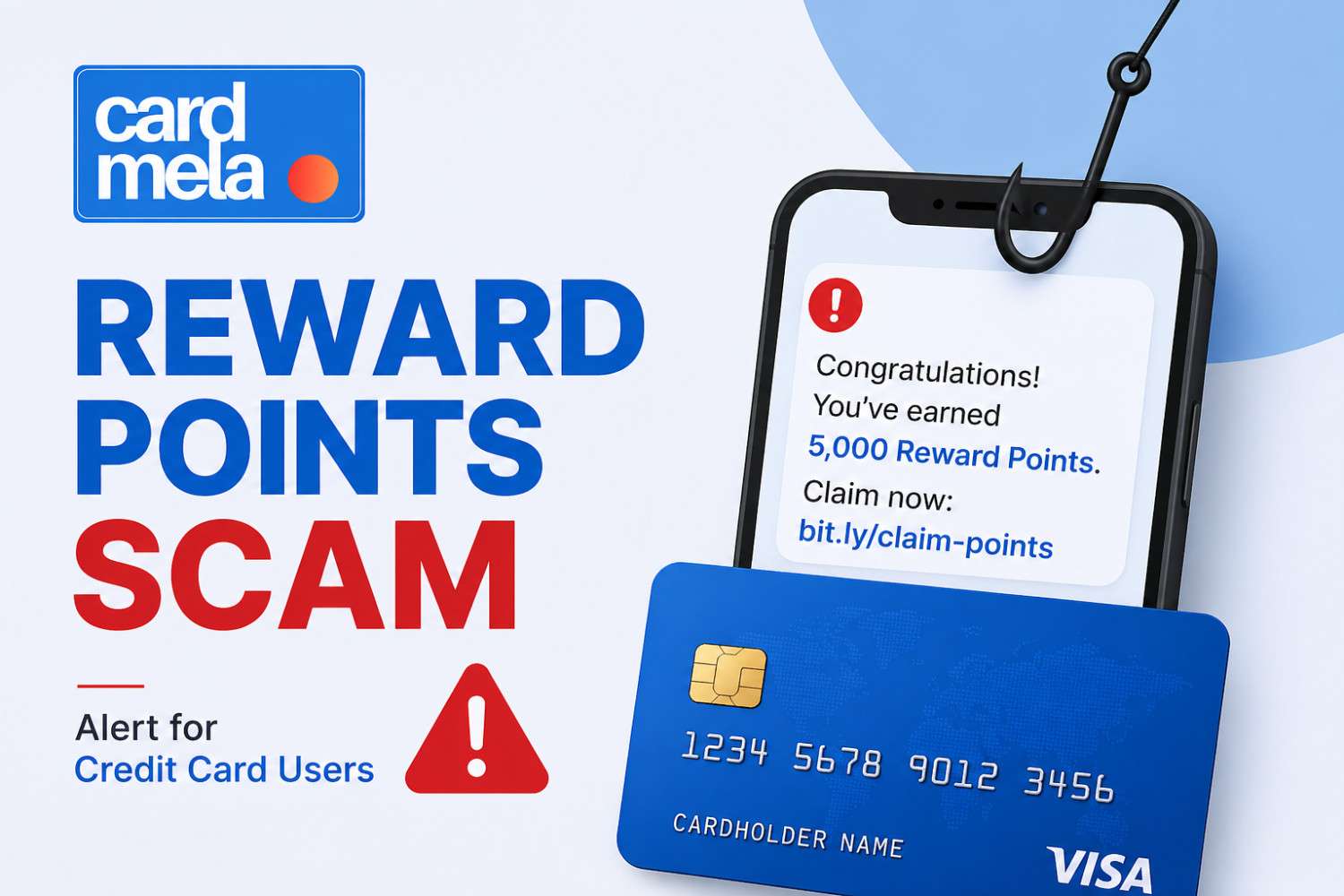
New “Reward Points Scam” Targeting Credit Card Users
Table of Contents
New “Reward Points Scam” Targeting Credit Card Users (2026): How to Stay Safe & Protect Your Money
Introduction
In 2026, credit cards have become an essential part of daily financial life in India, with millions of users actively earning reward points through shopping, travel, bill payments, and subscriptions. However, this rapid growth has also opened the door for new types of fraud, with the “Reward Points Scam” emerging as one of the most dangerous threats. In this scam, fraudsters manipulate users by pretending to help them redeem their reward points, often creating a sense of urgency by claiming that the points are about to expire. This psychological pressure forces users to act quickly without verifying the authenticity of the communication.
Regulatory authorities like the Reserve Bank of India and systems governed by the National Payments Corporation of India have been actively warning users about such scams, emphasizing the importance of awareness and caution. As digital transactions continue to grow, understanding these fraud techniques is no longer optional—it is a necessity. The smarter the system becomes, the smarter users also need to be.
Explanation
The reward points scam usually begins with a fake call or message claiming that your credit card reward points are about to expire. The fraudster pretends to be from your bank and offers to help you redeem those points instantly. Users are then asked to click on a link or share sensitive details such as card number, CVV, OTP, or login credentials.
In some cases, victims are redirected to fake websites that look identical to official banking portals. Once the user enters their details, the fraudster gains access to their account and performs unauthorized transactions. This scam is particularly dangerous because it plays on urgency and trust, making users act quickly without verifying authenticity.
Benefits
While scams themselves are harmful, understanding how they work provides a powerful advantage to users. Awareness acts as the first and most effective layer of protection against financial fraud. When users are familiar with common scam tactics such as fake reward redemption calls, phishing links, and urgency-based messaging, they are far less likely to fall into these traps. This knowledge allows them to identify suspicious behavior instantly and avoid sharing sensitive information.
Another important benefit is improved financial control. Users who regularly check their reward points and transaction history through official banking apps develop a habit of monitoring their accounts closely. This not only helps in detecting fraud early but also ensures that reward points are used efficiently through genuine channels. Over time, this awareness builds confidence and encourages safer usage of digital payment systems.
Additionally, informed users often become a source of awareness for others. By sharing knowledge with family members, especially those who are less familiar with digital payments, they contribute to creating a safer financial environment for everyone. In this way, awareness not only protects individuals but also strengthens the overall ecosystem.
Uses
The knowledge of reward points scams can be applied in real-life situations to significantly reduce the risk of fraud. For instance, if a user receives a call claiming that their reward points are about to expire, instead of reacting immediately, they can verify the information through their bank’s official app or website. This simple step can prevent unauthorized access to their account.
Users can also apply this awareness while making purchases on trusted platforms like Amazon and Flipkart, ensuring that reward points are redeemed only through official channels. This reduces the chances of falling for fake redemption links or phishing attempts.
Another practical use is in educating others. Many fraud cases occur because individuals are unaware of such scams. By informing family members, colleagues, and friends about these tactics, users can help prevent multiple cases of fraud. Awareness, when shared, becomes a powerful tool for collective safety.
Best Credit Cards with Strong Security
HDFC Bank Pixel Credit Card
- App-based control + instant alerts
👉 Apply Now on CardMela
ICICI Bank Amazon Pay Credit Card
- Secure transactions + cashback
👉 Apply Now on CardMela
Axis Bank Airtel Credit Card
- Alerts + fraud monitoring
👉 Apply Now on CardMela
SBI SimplyCLICK Credit Card
- Safe online transactions
👉 Apply Now on CardMela
IDFC FIRST Select Credit Card
- Strong fraud detection
👉 Apply Now on CardMela
Table: Reward Points Scam Warning Signs
| Warning Sign | Meaning |
|---|---|
| Urgent call/message | Scam pressure tactic |
| Asking for OTP | Fraud attempt |
| Unknown links | Phishing risk |
| Fake websites | Data theft |
Table: Safe vs Unsafe Behavior
| Safe Behavior | Unsafe Behavior |
|---|---|
| Verify source | Trust unknown calls |
| Use official apps | Click random links |
| Keep OTP private | Share OTP |
| Monitor transactions | Ignore alerts |
Tips
To stay protected from reward points scams, users must adopt a proactive and disciplined approach towards digital security. The most important rule is to never share sensitive information such as OTPs, CVV numbers, or card details with anyone, regardless of how convincing the caller may sound. Banks and financial institutions never ask for such information over calls or messages, and any request of this nature should be treated as suspicious.
Another essential tip is to always verify any communication related to reward points directly through official banking channels. Instead of clicking on links received via SMS or email, users should manually open their bank’s official app or website to check the authenticity of the offer. This simple habit can eliminate most fraud risks.
Users should also enable all available security features, including real-time transaction alerts, spending limits, and card control settings. These features act as an early warning system, allowing users to respond quickly in case of unauthorized activity. Regularly updating apps and avoiding public Wi-Fi for financial transactions further strengthens security.Finally, staying informed about the latest fraud trends is crucial. Fraudsters continuously evolve their methods, so users must keep updating their knowledge to stay ahead. Awareness is not a one-time effort—it is an ongoing process that ensures long-term financial safety.
Internal Linking
- First-time Credit Card UsersHow to Protect Your Bank Account from Fraud
- Best Cashback Credit Cards in India
- How to Build a Strong Credit Score
- How to Maximize Credit Card Rewards
External Linking
Conclusion
The rise of reward points scams in 2026 serves as a reminder that while digital financial tools offer convenience and rewards, they also require responsibility and awareness. Credit cards are powerful financial instruments that can help users save money, earn rewards, and manage expenses efficiently—but only when used wisely.
As fraudsters become more sophisticated, the responsibility of staying safe increasingly falls on the user. By understanding how scams operate, verifying every transaction, and following basic security practices, users can protect themselves from financial loss. The key is not to fear digital payments, but to use them intelligently.
In today’s digital world, awareness is the strongest defense. Users who stay alert and informed can continue to enjoy the benefits of credit cards without falling victim to scams.
FAQs
How do scammers know I have reward points?
Scammers do not actually know your reward points balance. They use mass calling and messaging techniques, targeting large numbers of users and hoping some will respond.
Can scammers access my credit card without OTP?
In most cases, OTP is required, but if you share OTP, CVV, or login credentials, scammers can easily access your account.
What should I do immediately after sharing my card details by mistake?
You should immediately block your card, inform your bank, and monitor all transactions to prevent further loss.
Are reward redemption links sent via SMS safe?
Only if they are from official bank sources. Unknown or suspicious links should never be clicked.
Can I trust calls claiming to be from bank officials?
No, always verify through official customer care numbers before taking any action.
Is it safe to save my card details on websites?
It is safe only on trusted platforms with security features like tokenization.
Do all credit cards have reward points?
Most credit cards offer reward points, but the structure and value vary from card to card.
Can scammers misuse my reward points?
Yes, in some cases scammers can redeem your points if they gain access to your account.
How often should I check my credit card transactions?
It is recommended to check your transactions regularly, at least once a week.
What is the safest way to redeem reward points?
Always redeem points through your bank’s official mobile app or website.
Can I report scam calls to authorities?
Yes, you can report them to your bank and cybercrime authorities immediately.
Do scammers target only new users?
No, both new and experienced users can be targeted.
How can I educate my family about such scams?
You can explain common fraud tactics and encourage them to verify every financial communication.
Are email scams also common in reward fraud?
Yes, phishing emails are a major method used by scammers to steal information.
Can using a secure credit card prevent scams completely?
Security features help reduce risk, but user awareness is still the most important factor.
Author Bio
A platform dedicated to helping users compare credit cards and make smarter financial decisions. He specializes in banking trends, AI in finance, and cashback strategies, providing practical insights to maximize savings and optimize spending in India.
Whether you’re looking for cashback, travel rewards, fuel savings, or lifetime free cards — CardMela helps you compare, analyze, and choose the credit card that fits your lifestyle perfectly. We partner with leading partners to bring you exclusive offers and detailed insights, so you can make smart financial decisions with confidence.
© 2025 CardMela.com. All rights reserved.
