
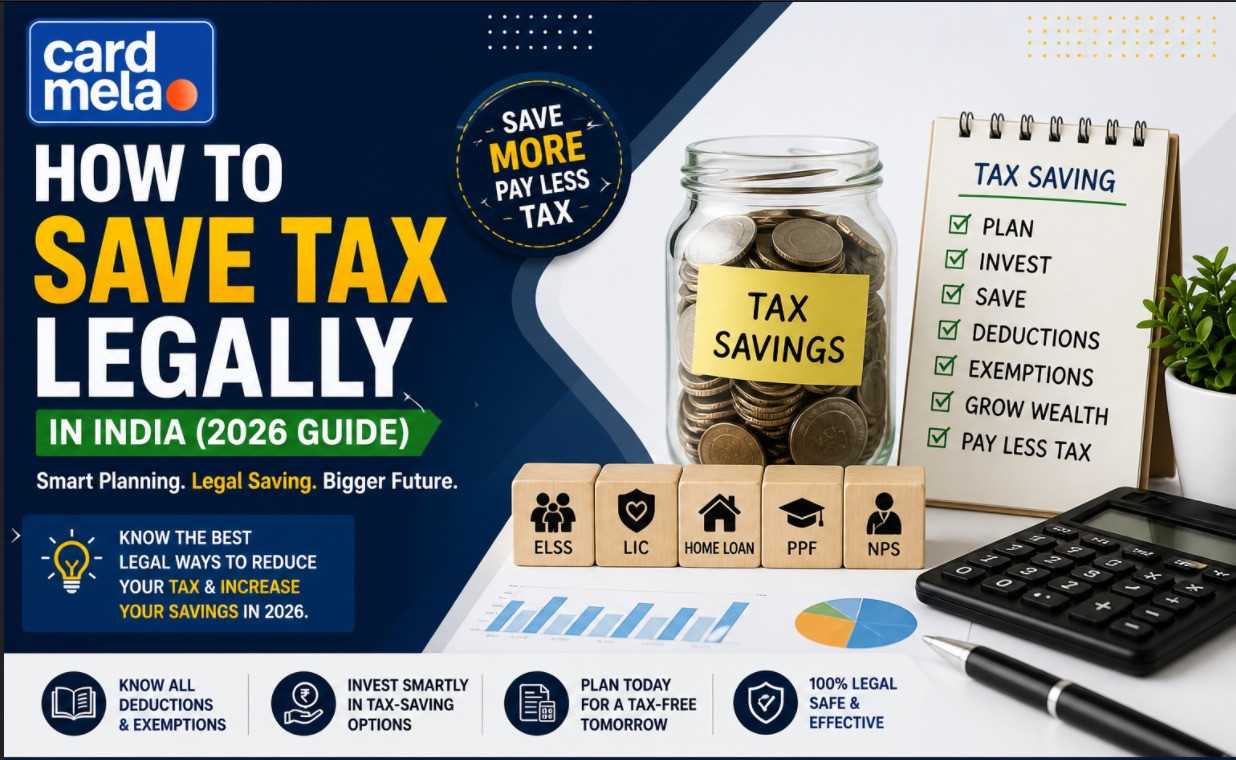
How to Save Tax Legally in India (2026 Guide)
Table of Contents
How to Save Tax Legally in India (2026 Guide): Smart Strategies to Maximize Your Income
Introduction
In 2026, managing taxes efficiently has become an essential part of personal finance in India. With rising incomes and evolving tax regulations, many individuals end up paying more tax than necessary simply due to lack of awareness. However, the Indian tax system provides several legal provisions that allow taxpayers to reduce their tax liability while staying fully compliant with the law.
Government bodies like the Income Tax Department India and policy frameworks guided by the Ministry of Finance India offer multiple deductions, exemptions, and incentives to encourage savings and investments. Understanding these provisions is the key to effective tax planning. With the right approach, taxpayers can not only save money but also build long-term wealth.
Explanation
Tax saving in India is primarily based on utilizing deductions under various sections of the Income Tax Act. Individuals can reduce their taxable income by investing in eligible instruments, claiming exemptions on expenses, and structuring their income efficiently. The most commonly used section is 80C, which allows deductions on investments such as PPF, ELSS, life insurance, and fixed deposits.
Apart from investment-based deductions, taxpayers can also claim benefits on health insurance premiums, home loan interest, and education loans. Choosing between the old tax regime and the new tax regime is another important decision, as each offers different advantages depending on the individual’s financial profile.
Proper tax planning requires understanding both short-term and long-term financial goals. It is not just about saving tax but also about making investments that contribute to wealth creation.
Benefits
Legal tax saving provides multiple benefits beyond just reducing tax liability. One of the biggest advantages is increased disposable income. By minimizing tax outflow, individuals can retain more of their earnings and allocate them toward savings and investments.
Another major benefit is disciplined financial planning. Tax-saving instruments often encourage long-term investments, which help in building wealth over time. For example, investments in PPF or ELSS not only provide tax benefits but also generate returns.
Tax planning also ensures compliance with legal requirements, reducing the risk of penalties or notices. It promotes transparency and encourages individuals to maintain proper financial records. Additionally, it helps in achieving financial goals more efficiently by aligning tax-saving strategies with investment objectives.
Table: Popular Tax Saving Options
| Section | Investment Option | Limit | Benefit |
|---|---|---|---|
| 80C | PPF, ELSS, FD | ₹1.5 lakh | Tax deduction |
| 80D | Health Insurance | ₹25k–₹50k | Medical benefit |
| 24(b) | Home Loan Interest | ₹2 lakh | Housing benefit |
| 80E | Education Loan | No limit | Interest deduction |
Table: Old vs New Tax Regime
| Feature | Old Regime | New Regime |
|---|---|---|
| Deductions | Available | Limited |
| Tax Rates | Higher | Lower |
| Flexibility | High | Simple |
| Best For | Investors | Low deductions |
Best Credit Cards for Tax Planning & Smart Spending
HDFC Bank Regalia Credit Card
- Rewards on high-value transactions
👉 Apply Now on CardMela
Axis Bank Magnus Credit Card
- High reward points + travel benefits
👉 Apply Now on CardMela
Amazon Pay ICICI Credit Card
- Cashback to reduce expenses
👉 Apply Now on CardMela
SBI Prime Credit Card
- Shopping & lifestyle rewards
👉 Apply Now on CardMela
IDFC FIRST Wealth Credit Card
- No annual fee + benefits
👉 Apply Now on CardMela
Table: Tax Saving vs Wealth Creation
| Strategy | Short-Term Benefit | Long-Term Benefit |
|---|---|---|
| ELSS | Tax saving | Wealth growth |
| PPF | Safe returns | Retirement fund |
| Insurance | Protection | Financial security |
Table: Monthly Tax Planning Example
| Income | Tax Saved | Investment |
|---|---|---|
| ₹5 lakh | ₹25,000 | PPF |
| ₹10 lakh | ₹75,000 | ELSS + Insurance |
| ₹15 lakh | ₹1.5 lakh | Mixed portfolio |
Table: Section-wise Tax Deductions
| Section | Deduction Type | Maximum Limit | Eligible Investments |
|---|---|---|---|
| 80C | Investment | ₹1.5 lakh | PPF, ELSS, FD, LIC |
| 80D | Health Insurance | ₹25k–₹50k | Medical insurance |
| 24(b) | Home Loan Interest | ₹2 lakh | Housing loan |
| 80E | Education Loan | No limit | Interest paid |
| 80G | Donations | Varies | Approved charities |
Table: Best Tax Saving Investments Comparison
| Investment | Risk | Returns | Lock-in Period | Best For |
|---|---|---|---|---|
| PPF | Low | 7–8% | 15 years | Safe investors |
| ELSS | Medium | 10–15% | 3 years | Growth seekers |
| FD | Low | 5–7% | 5 years | Stability |
| NPS | Medium | 8–10% | Till retirement | Retirement |
| LIC | Low | 5–6% | Long-term | Protection |
Tips
Saving tax legally in India requires planning, discipline, and awareness of available deductions. One of the most effective strategies is to start tax planning at the beginning of the financial year instead of waiting until the last few months. This approach allows you to spread your investments across the year and avoid rushed or poor financial decisions. It also helps in maintaining better cash flow and financial stability.
Another important tip is to diversify your tax-saving investments. Instead of putting all your money into a single option, consider a mix of instruments such as PPF, ELSS, fixed deposits, and insurance. This not only helps in reducing tax liability but also balances risk and return. Individuals should also evaluate whether the old or new tax regime is more suitable for them, depending on their income structure and deductions.
It is equally important to maintain proper documentation for all investments and expenses claimed under tax deductions. Keeping records ensures smooth filing and reduces the chances of errors or notices. Staying updated with guidelines from authorities like the Income Tax Department India helps in making informed decisions and avoiding compliance issues.Lastly, while using financial tools like credit cards, users should focus on maximizing benefits such as cashback and rewards without falling into the trap of overspending.
Internal Linking
- How to Build Wealth with Small Income
- Best Cashback Credit Cards in India
- Financial Independence Using Credit Cards
- How to Save Money Effectively
External Linking
- Income Tax Department India
- Ministry of Finance India
- Reserve Bank of India
- Securities and Exchange Board of India
Conclusion
Tax saving is not just about reducing the amount you pay to the government—it is about managing your finances more efficiently and aligning your investments with long-term goals. By understanding the available tax-saving options and making informed choices, individuals can significantly improve their financial health.
A well-planned tax strategy not only reduces your tax burden but also contributes to wealth creation and financial security. The key lies in consistency, early planning, and disciplined investing. With the right approach, taxpayers can make the most of legal provisions while staying fully compliant with the law.
In today’s evolving financial landscape, being proactive about tax planning is essential. By staying informed, organized, and strategic, you can turn tax saving into a powerful tool for building long-term financial success.
FAQs (Frequently Asked Questions )
How can I legally reduce my income tax in India?
You can legally reduce your income tax by utilizing deductions under sections such as 80C, 80D, and 24(b) of the Income Tax Act. Investing in eligible instruments like PPF, ELSS, life insurance, and health insurance helps lower taxable income. Additionally, claiming deductions on home loan interest and education loans can further reduce your tax liability.
Is it better to choose the old tax regime or the new tax regime?
The choice between the old and new tax regimes depends on your financial situation. The old regime is beneficial for individuals who have multiple deductions and investments, while the new regime offers lower tax rates with fewer deductions. It is important to calculate tax liability under both regimes before making a decision.
What is the maximum amount I can save under Section 80C?
Under Section 80C, you can claim deductions of up to ₹1.5 lakh per financial year by investing in options such as PPF, ELSS, fixed deposits, and life insurance premiums. This is one of the most commonly used sections for tax saving in India.
Can I save tax without making investments?
Yes, under the new tax regime, you can benefit from reduced tax rates without making specific investments. However, you may miss out on long-term wealth creation opportunities that come with traditional tax-saving instruments.
Are tax-saving investments risky?
Not all tax-saving investments carry the same level of risk. Options like PPF and fixed deposits are low-risk, while ELSS mutual funds are market-linked and carry higher risk but offer better returns. Choosing the right mix based on your risk tolerance is important.
How early should I start tax planning?
It is advisable to start tax planning at the beginning of the financial year. Early planning allows better investment decisions, smoother cash flow, and avoids last-minute stress during tax filing season.
Author Bio
CardMela helping users make smarter financial decisions through credit cards, tax planning, and personal finance strategies. His expertise lies in simplifying complex financial concepts into practical and actionable insights.A platform dedicated to helping users compare credit cards and make smarter financial decisions. He specializes in banking trends, AI in finance, and cashback strategies, providing practical insights to maximize savings and optimiz
Whether you’re looking for cashback, travel rewards, fuel savings, or lifetime free cards — CardMela helps you compare, analyze, and choose the credit card that fits your lifestyle perfectly. We partner with leading partners to bring you exclusive offers and detailed insights, so you can make smart financial decisions with confidence.
© 2025 CardMela.com. All rights reserved.
