
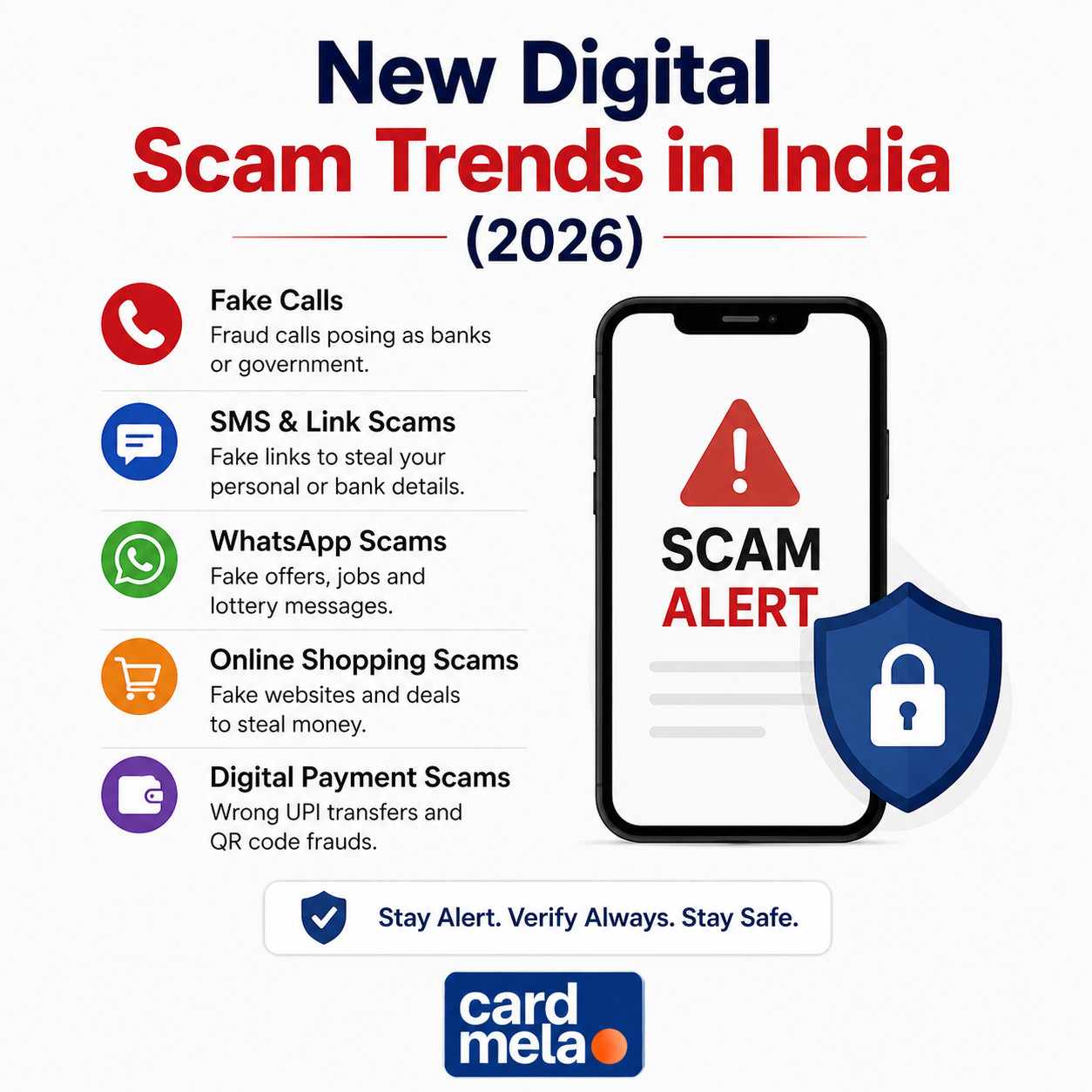
New Digital Scam Trends in India (2026)
Table of Contents
New Digital Scam Trends in India (2026): How to Stay Safe in the Digital Era
Introduction
In 2026, India’s digital economy is growing at an unprecedented pace, driven by online banking, UPI payments, and mobile-first financial services. While this transformation has made transactions faster and more convenient, it has also opened new doors for cybercriminals. Digital scams are evolving rapidly, targeting individuals through sophisticated techniques that often appear genuine and trustworthy.
Authorities like the Reserve Bank of India and systems supported by the National Payments Corporation of India have issued multiple alerts regarding the rise of online frauds. From fake loan apps to phishing links and OTP scams, users are increasingly vulnerable if they are not aware of these threats. Understanding the latest scam trends is the first step toward protecting your money and personal data.
Explanation
Digital scams in India have become more advanced, using technology and psychological tactics to deceive users. Fraudsters often impersonate banks, government agencies, or trusted platforms to gain access to sensitive information such as OTPs, passwords, or card details. These scams are usually executed through SMS, WhatsApp messages, emails, or fake mobile apps.
One of the major reasons behind the increase in scams is the growing reliance on digital payments. While platforms regulated by the Reserve Bank of India ensure security, scammers exploit user behavior and lack of awareness. They create urgency or fear to trick users into sharing confidential information. As a result, even educated and tech-savvy individuals can fall victim if they are not cautious.
Benefits
While digital scams themselves do not offer benefits, awareness about these scams provides significant advantages. The biggest benefit is financial protection. By understanding common fraud techniques, users can avoid losing money and safeguard their bank accounts.
Another important benefit is improved digital literacy. Being aware of scam trends helps users make safer online transactions and adopt better security practices. It also encourages individuals to use trusted platforms and verify sources before taking any action.
Awareness also reduces panic during suspicious situations. Instead of reacting emotionally, informed users can respond calmly and take the right steps to prevent fraud. In a digital-first economy, knowledge is the strongest defense against cyber threats.
Table: Common Digital Scams in India (2026)
| Scam Type | Description | Risk Level |
|---|---|---|
| OTP Fraud | Asking for OTP via call/SMS | High |
| Phishing Links | Fake websites/messages | High |
| Loan App Scam | Unauthorized lending apps | High |
| KYC Scam | Fake verification calls | Medium |
| QR Code Scam | Fake payment requests | High |
Table: Platforms Used by Scammers
| Platform | Method |
|---|---|
| Fake links/messages | |
| SMS | Phishing alerts |
| Fraud emails | |
| Calls | Impersonation scams |
| Apps | Fake downloads |
Table: Scam Impact vs Prevention
| Scam Type | Possible Loss | Prevention Method |
|---|---|---|
| OTP Fraud | Full account loss | Never share OTP |
| Phishing | Data theft | Verify links |
| Loan Scam | Financial loss | Use trusted apps |
| QR Scam | Money deduction | Avoid unknown QR |
Table: Awareness Level vs Risk
| Awareness Level | Risk Level |
|---|---|
| Low awareness | High risk |
| Basic awareness | Medium risk |
| High awareness | Low risk |
Table: Best Practices for Safe Transactions
| Practice | Result |
|---|---|
| Use credit cards | Safer payments |
| Avoid unknown links | No phishing risk |
| Regular monitoring | Early detection |
| Secure apps | Data safety |
Best Credit Cards for Secure Digital Transactions
HDFC Bank Pixel Credit Card
This is a fully digital, app-controlled credit card designed for modern users who prioritize security and flexibility. It allows users to manage spending limits, block/unblock the card instantly, and generate virtual cards for online transactions. The card is ideal for people who frequently shop online and want complete control over their card usage. Its real-time alerts and customization features make it one of the safest options for avoiding fraud in digital transactions.
Axis Bank Neo Credit Card
Axis Bank Neo Credit Card is a great entry-level card for users who want basic security features along with online discounts. It offers strong OTP-based authentication and exclusive deals on apps and digital platforms. This card is particularly suitable for beginners who are starting their credit journey and want a balance between savings and safety. Its simple structure and easy approval make it a popular choice among young users.
ICICI Bank Platinum Chip Credit Card
This card focuses heavily on transaction security through EMV chip technology, which reduces the chances of fraud during both online and offline transactions. It is widely accepted and offers a reliable payment experience. The card also provides instant alerts and zero liability protection in case of unauthorized transactions, making it a dependable option for users who want strong protection without complicated features.
SBI Cashback Credit Card
SBI Cashback Credit Card combines security with high savings potential. It offers cashback on online transactions, which helps users recover part of their spending while maintaining secure payment practices. With features like transaction alerts, fraud monitoring, and easy dispute resolution, this card is ideal for users who want both financial benefits and safety. It works well for frequent online shoppers.
YES Bank Prosperity Rewards Credit Card
This card is designed for users who prefer reward-based spending along with strong security features. It offers reward points on every transaction, along with fraud alerts and secure payment mechanisms. The card is suitable for users who want to earn benefits on daily spending while ensuring their transactions remain protected. Its balance between rewards and security makes it a solid mid-range option.
Table: Safe vs Unsafe Behavior
| Safe Behavior | Unsafe Behavior |
|---|---|
| Verify links | Click unknown links |
| Keep OTP private | Share OTP |
| Use official apps | Download unknown apps |
| Enable alerts | Ignore notifications |
Table: Impact of Digital Scams
| Impact | Result |
|---|---|
| Financial Loss | Money stolen |
| Data Theft | Privacy breach |
| Mental Stress | Anxiety |
| Credit Damage | Lower score |
Uses
Understanding digital scam trends serves several practical purposes in everyday financial life. One of the primary uses is protecting personal and financial information from unauthorized access. By recognizing scam patterns, users can avoid sharing sensitive details such as OTPs, passwords, and card numbers.
Another important use is improving decision-making during online transactions. Awareness helps users identify suspicious links, fake apps, or fraudulent calls before taking any action. This reduces the chances of falling victim to scams.
Additionally, knowledge of scam trends is useful for educating family members, especially elderly individuals who are often targeted by fraudsters. By spreading awareness, users contribute to a safer digital ecosystem.
Tips
To stay safe from digital scams, users should always verify the authenticity of messages, calls, and apps before responding. Never share OTPs, passwords, or card details with anyone, even if the request appears to come from a trusted source. Authorities like the Reserve Bank of India clearly state that banks never ask for such information.
It is also important to install apps only from official stores and avoid clicking on suspicious links received through SMS or WhatsApp. Enabling transaction alerts and regularly monitoring bank statements can help detect unauthorized activity early.
Using secure payment methods such as credit cards with fraud protection features can add an extra layer of safety. Staying informed and cautious is the best way to prevent financial loss.
Internal Linking
- How to Protect Your Bank Account from Fraud
- Best Cashback Credit Cards in India
- How to Build a Strong Credit Score
- Financial Independence Using Credit Cards
External Linking
Conclusion
Digital scams are becoming more sophisticated as technology advances, making it essential for users to stay informed and vigilant. While digital platforms offer convenience and efficiency, they also require responsible usage and awareness.
By understanding the latest scam trends and adopting safe practices, individuals can protect their finances and personal data effectively. The key is to remain cautious, verify information, and avoid impulsive decisions.
In the digital age, security is not just about technology—it is about awareness. Staying alert and informed is the best defense against cyber fraud.
FAQs (Frequently Asked Questions )
What are the most common digital scams in India in 2026?
The most common scams include OTP fraud, phishing links, fake loan apps, KYC scams, and QR code scams. These scams often target users through SMS, calls, or social media platforms.
How can I identify a scam message or call?
Scam messages often create urgency or fear, asking for immediate action. They may contain suspicious links, unknown numbers, or requests for personal information. Verifying the source before responding is crucial.
Is it safe to share OTP with bank officials?
No, OTPs should never be shared with anyone. Banks and financial institutions never ask for OTPs, passwords, or card details.
What should I do if I become a victim of a scam?
Immediately report the incident to your bank and file a complaint with cybercrime authorities. Quick action can help prevent further loss.
How can credit cards help in preventing scams?
Credit cards offer fraud protection, transaction alerts, and dispute resolution mechanisms, making them safer for online transactions compared to other payment methods.
Are digital payments safe in India?
Yes, digital payments are generally safe when used responsibly on trusted platforms regulated by authorities like the Reserve Bank of India.
Author Bio
CardMela helping Indian users make smarter financial decisions through credit cards, digital payments, and personal finance strategies. His expertise lies in simplifying complex financial topics into practical and actionable insights.
Whether you’re looking for cashback, travel rewards, fuel savings, or lifetime free cards — CardMela helps you compare, analyze, and choose the credit card that fits your lifestyle perfectly. We partner with leading partners to bring you exclusive offers and detailed insights, so you can make smart financial decisions with confidence.
© 2025 CardMela.com. All rights reserved.
