
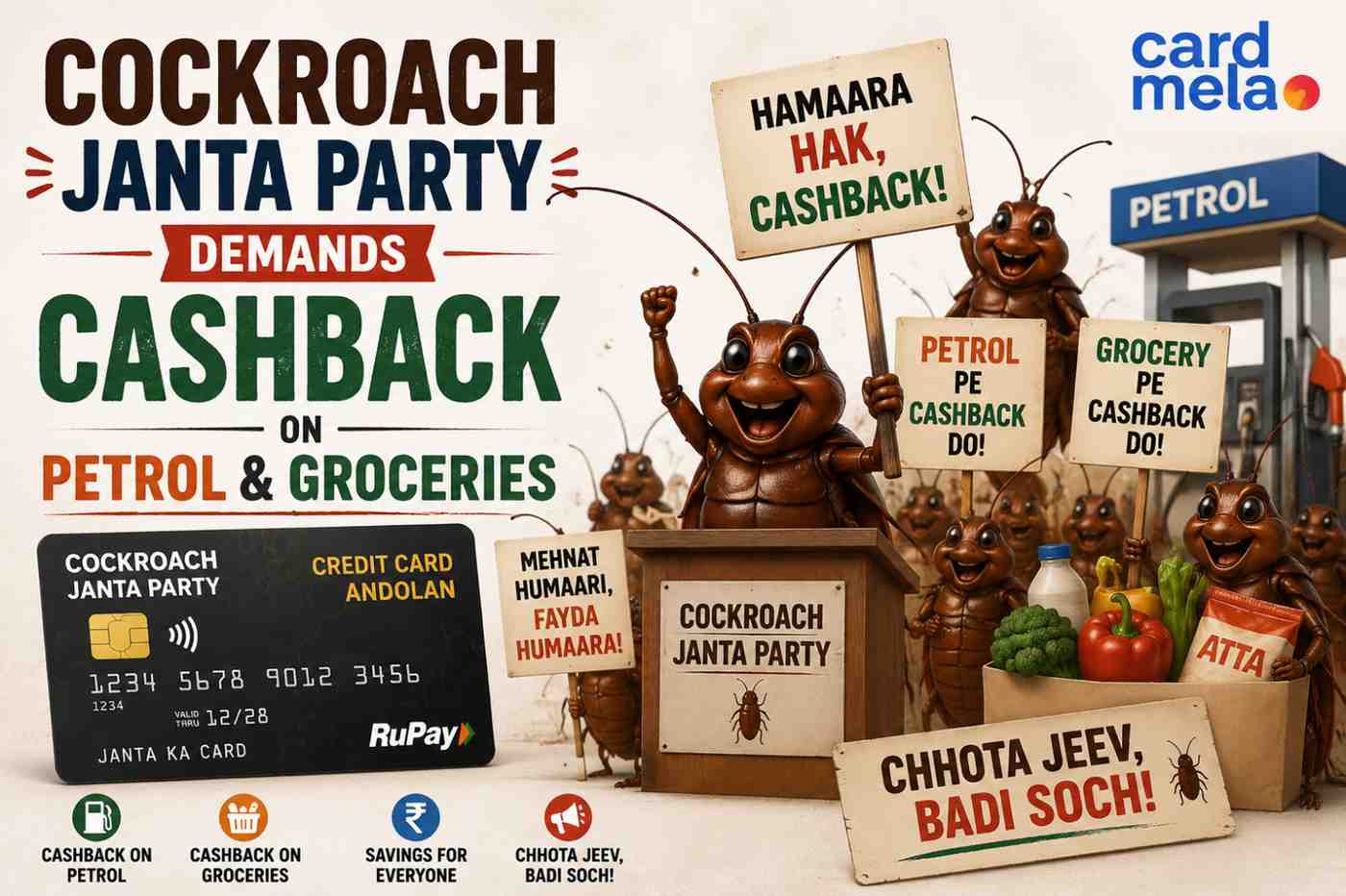
5 Shocking Demands: Cockroach Janta Party Wants Cashback on Petrol & Groceries
Table of Contents
5 Shocking Demands: Cockroach Janta Party Wants Cashback on Petrol & Groceries
Introduction
India’s digital payment revolution has created a completely new type of consumer — the cashback warrior. From grocery shopping and petrol refills to food delivery and utility bills, modern Indian consumers now expect rewards for almost every rupee spent. This strange but hilarious financial movement can best be described as the “Cockroach Janta Party,” a fictional but highly relatable group of consumers who survive inflation, rising fuel prices, hidden bank charges, expensive vegetables, and EMI pressure while still demanding cashback on every possible transaction.
In today’s India, fuel prices and grocery expenses have become two of the largest monthly household costs. As inflation continues affecting middle-class budgets, consumers are increasingly searching for credit cards that provide fuel surcharge waivers, grocery cashback, reward points, and digital payment discounts. Banks understand this trend very well and are aggressively launching cashback-focused credit cards targeting daily spending categories.
Major financial institutions like HDFC Bank, ICICI Bank, Axis Bank, State Bank of India, and IndusInd Bank are competing aggressively to attract consumers through fuel rewards, grocery cashback systems, lifestyle offers, and UPI-linked payment ecosystems.
The modern consumer no longer simply buys petrol or groceries.
Now they ask:
- “Kitna cashback milega?”
- “Reward points kitne hain?”
- “Fuel surcharge waiver hai kya?”
- “UPI pe extra cashback hai?”
This funny but realistic financial culture perfectly defines India’s modern spending behavior.
Rise of the Cashback Economy in India
India’s digital economy has transformed rapidly over the past decade. Earlier, consumers focused mainly on saving money. Today, however, spending itself feels rewarding because banks and fintech companies constantly promote cashback offers, instant discounts, and reward-point systems.
Consumers now receive offers for:
- Grocery cashback
- Fuel rewards
- EMI shopping
- Food delivery discounts
- Online shopping deals
- QR-code cashback
- Subscription offers
- Travel rewards
The result is a consumer mindset where cashback feels more important than the actual purchase itself.
The “Cockroach Janta Party” represents those consumers who somehow survive rising expenses while proudly optimizing every transaction for rewards.
Table: Monthly Expenses That Hurt Indian Consumers Most
| Expense Category | Average Financial Stress Level |
|---|---|
| Petrol & diesel | Very High |
| Grocery shopping | Very High |
| Electricity bills | High |
| EMI payments | High |
| Food delivery apps | Medium |
| Online shopping | Medium |
Why Petrol Cashback Became a National Obsession
Fuel prices in India have increased significantly over the years, turning petrol expenses into a major household concern. Daily commuters, office workers, delivery professionals, and business owners now actively search for ways to reduce fuel spending through cashback cards and surcharge waivers.
Banks recognized this demand early and launched dedicated fuel credit cards offering:
- Fuel surcharge waivers
- Cashback on petrol pumps
- Reward points on fuel purchases
- Partner fuel station discounts
- Utility bill cashback
Consumers today often choose fuel stations based not only on location but also on which card gives the best rewards.
The funniest reality is that some people drive extra kilometers just to save ₹40 cashback.
Table: Signs You Are a Fuel Cashback Addict
| Situation | Reality Check |
|---|---|
| Choosing petrol pump based on card offers | Cashback obsession started |
| Calculating surcharge waiver manually | Advanced level |
| Owning separate fuel card | Full membership activated |
| Explaining reward points to petrol pump staff | Dangerous stage |
Grocery Shopping Has Become a Reward Game
Earlier, grocery shopping was considered a basic household activity.
Today it has become:
- Cashback optimization
- Reward-point farming
- Coupon hunting
- App-based spending competition
Consumers now compare:
- Which app gives more cashback
- Which card gives extra rewards
- Which UPI offer is active
- Which bank partnership is running
Apps connected to grocery ecosystems aggressively promote spending using:
- Scratch cards
- Limited-time cashback
- Buy-more-save-more offers
- Instant reward notifications
The result is that grocery shopping now feels strangely similar to gaming psychology.
Best Credit Cards for Petrol & Grocery Cashback
BPCL SBI Card Octane
One of the strongest fuel-focused credit cards in India offering accelerated reward points on fuel spending and surcharge waivers for regular commuters.
Axis Bank ACE Credit Card
Excellent for grocery payments, utility bills, and digital transactions through app-based ecosystems.
HDFC Bank MoneyBack+ Credit Card
Designed for consumers heavily involved in online grocery shopping, ecommerce spending, and digital purchases.
HSBC Live+ Credit Card
A strong option for grocery buyers and food delivery enthusiasts seeking category-based cashback rewards.
IndianOil Axis Bank Credit Card
Perfect for users wanting direct fuel benefits, surcharge waivers, and partner fuel station advantages.
Amazon Pay ICICI Credit Card
Useful for grocery purchases through ecommerce platforms and digital shopping ecosystems.
Table: Best Cards Based on Spending Style
| Spending Style | Best Credit Card |
|---|---|
| Daily fuel spender | BPCL SBI Octane |
| Grocery app user | HSBC Live+ |
| Utility payment expert | Axis ACE |
| Ecommerce grocery shopper | Amazon Pay ICICI |
| Cashback hunter | HDFC MoneyBack+ |
Benefits of Cashback Credit Cards
Cashback-focused credit cards provide several advantages when used responsibly.
Important benefits include:
- Reduced monthly fuel costs
- Grocery cashback savings
- Reward-point accumulation
- Better spending tracking
- Digital payment convenience
- Utility bill benefits
- EMI flexibility during emergencies
- Faster digital transactions
Consumers who use these cards strategically on planned purchases can reduce overall monthly expenses significantly.
However, the biggest danger begins when users start purchasing unnecessary products just for rewards.
Uses of Cashback Cards in Everyday Life
Modern Indian consumers use cashback cards for nearly every category of daily spending.
These include:
- Petrol refills
- Grocery shopping
- Mobile recharges
- Electricity bills
- Water bills
- Food delivery apps
- QR-code transactions
- Ecommerce purchases
- Subscription payments
- Travel bookings
The convenience of digital payments has made cashback cards deeply integrated into everyday consumer life.
Many younger consumers now calculate every transaction based on rewards rather than actual necessity.
Table: Funniest Cashback Situations in India
| Situation | What Actually Happens |
|---|---|
| Spending ₹5,000 to save ₹200 | Financial confusion |
| Buying snacks during fuel refill for rewards | Cashback psychology |
| Tracking reward points daily | Addiction stage |
| Feeling proud about ₹30 savings | Emotional victory |
Why Banks Secretly Love Cashback Addiction
Banks aggressively promote cashback systems because higher transaction activity generates enormous profits.
Financial institutions earn revenue through:
- Merchant commissions
- Interest charges
- EMI conversion
- Late payment fees
- Premium card upgrades
- Partner promotions
Consumers believe they are “saving money,” while banks benefit from increased digital transaction volume.
Modern AI-powered banking systems also analyze spending behavior to push personalized cashback campaigns that increase user engagement.
The system is designed to make spending feel rewarding.
Tips to Survive the Cashback Trap
Consumers can safely enjoy cashback systems without falling into overspending habits.
Important financial habits include:
- Using cashback only on necessary purchases
- Paying full bills every month
- Avoiding emotional sale purchases
- Tracking fuel and grocery budgets
- Ignoring fake urgency offers
- Limiting unnecessary app spending
- Avoiding multiple active EMIs
The smartest consumers are not the ones earning maximum cashback.
The smartest consumers are the ones who spend responsibly while still earning rewards naturally.
Table: Smart vs Dangerous Cashback Behavior
| Smart Behavior | Dangerous Behavior |
|---|---|
| Cashback on planned purchases | Spending only for rewards |
| Full bill payments | Minimum due payments |
| Budget tracking | Emotional shopping |
| Limited card usage | Too many active cards |
Internal Linking
- Best Fuel Credit Cards in India
- Credit Cards That Work Best with Google Pay & PhonePe
- Best Cashback Credit Cards for Grocery Shopping
- Best UPI-Based Credit Cards in India
- How to Build a Strong Credit Score by Swiping Your Credit Card
- Food Delivery Cashback Offers in May 2026
- Best Credit Cards for Road Trips & Fuel
- How Cashback Psychology Changes Spending Habits
External Linking
- Reserve Bank of India
- National Payments Corporation of India
- Bharat Petroleum
- Indian Oil Corporation
Conclusion
The “Cockroach Janta Party Demands Cashback on Petrol & Groceries” movement may sound funny, but it reflects the financial reality of modern India.
Consumers today live inside a digital payment ecosystem where cashback psychology influences nearly every transaction. Fuel prices, grocery inflation, and rising lifestyle costs have pushed people to search aggressively for financial rewards and savings opportunities.
Banks and fintech companies continue encouraging this behavior because transaction-driven economies generate enormous revenue and consumer engagement.
At the same time, disciplined consumers can still use cashback systems intelligently to reduce expenses and improve financial efficiency.
The real challenge is ensuring cashback remains a bonus benefit — not an excuse for uncontrolled spending.
Because in the end, saving ₹200 cashback means very little if you spent ₹5,000 unnecessarily just to earn it.
FAQs (Frequently Asked Questions – Detailed Paragraph Style)
Why are fuel cashback credit cards becoming so popular in India?
Fuel cashback credit cards have become extremely popular because petrol and diesel prices continue increasing across India, directly affecting monthly household budgets. Daily commuters, business owners, delivery professionals, and working individuals spend a significant amount on fuel every month. Cashback cards offering fuel surcharge waivers, reward points, and direct discounts help consumers reduce a portion of these expenses. Many people now actively choose specific fuel stations based on which credit card provides the best savings and rewards.
Do grocery cashback cards actually help save money?
Yes, grocery cashback cards can help consumers save money if they are used for planned and necessary household purchases. These cards provide rewards, cashback percentages, or shopping vouchers on grocery transactions made through supermarkets or online grocery platforms. However, the problem starts when consumers begin buying unnecessary items simply because cashback offers are available. Smart consumers use cashback only as an additional benefit, not as a reason to increase spending.
Why do banks aggressively promote cashback offers?
Banks aggressively promote cashback offers because higher transaction activity generates revenue for financial institutions. Every digital transaction made through credit cards creates opportunities for banks to earn merchant commissions, interest charges, and customer engagement. Cashback systems also encourage users to spend more frequently through digital payment ecosystems. The more customers use cards for fuel, groceries, shopping, and utility bills, the more profitable the system becomes for banks.
Why does cashback feel psychologically rewarding?
Cashback creates a psychological feeling of “earning while spending.” Consumers often feel financially smart when they receive ₹100 or ₹200 back after making a purchase, even if they spent much more money overall. This emotional satisfaction activates reward-based behavior and encourages repeated spending. Fintech apps and ecommerce platforms use this psychology very effectively through instant cashback notifications, scratch cards, and reward updates that make spending feel exciting.
Is owning multiple cashback credit cards financially smart?
Owning multiple cashback credit cards can be useful for disciplined consumers who want to maximize benefits across different spending categories like fuel, groceries, dining, travel, and online shopping. However, managing too many cards can also become financially risky because users may forget billing dates, annual fees, reward expiry timelines, or EMI obligations. Multiple cards should only be maintained if consumers can track spending carefully and pay all dues on time.
Why do cashback offers become more aggressive during sale seasons?
During festive sales and shopping events, banks and ecommerce companies compete aggressively for customer transactions. This leads to larger cashback offers, instant discounts, EMI promotions, and reward multipliers. These campaigns are designed to increase emotional excitement and encourage consumers to shop impulsively. Limited-time offers and flash sales create urgency, making users feel pressured to spend quickly before deals disappear.
Are fintech apps making consumers addicted to spending?
Many fintech apps use behavioral design techniques, AI-driven personalization, instant rewards, and gamified systems to increase user engagement. Features such as scratch cards, reward meters, cashback animations, and spending summaries create excitement that encourages repeated transactions. Over time, some consumers begin opening payment apps not because they need to buy something, but because the platforms psychologically reward spending activity.
What is the funniest reality about India’s cashback culture?
The funniest reality is that many consumers proudly celebrate earning ₹100 cashback while completely ignoring the thousands of rupees they spent unnecessarily to unlock the reward. People often compare cashback percentages like sports statistics, drive extra kilometers for fuel offers, or buy snacks they never wanted simply because “offer acha tha.” This humorous but very real financial behavior perfectly defines India’s modern “cashback andolan.”
Author Bio
The founder and content strategist behind CardMela, a fast-growing platform dedicated to helping Indian consumers make smarter financial decisions. With years of experience analyzing banking trends, fintech ecosystems, cashback systems, and digital payment behavior, Manish specializes in simplifying complex financial topics into engaging and practical content for Indian readers. Through CardMela, he helps users discover better credit cards, smarter banking strategies, and effective ways to maximize savings while avoiding common financial mistakes.
Whether you’re looking for cashback, travel rewards, fuel savings, or lifetime free cards — CardMela helps you compare, analyze, and choose the credit card that fits your lifestyle perfectly. We partner with leading partners to bring you exclusive offers and detailed insights, so you can make smart financial decisions with confidence.
© 2025 CardMela.com. All rights reserved.
