
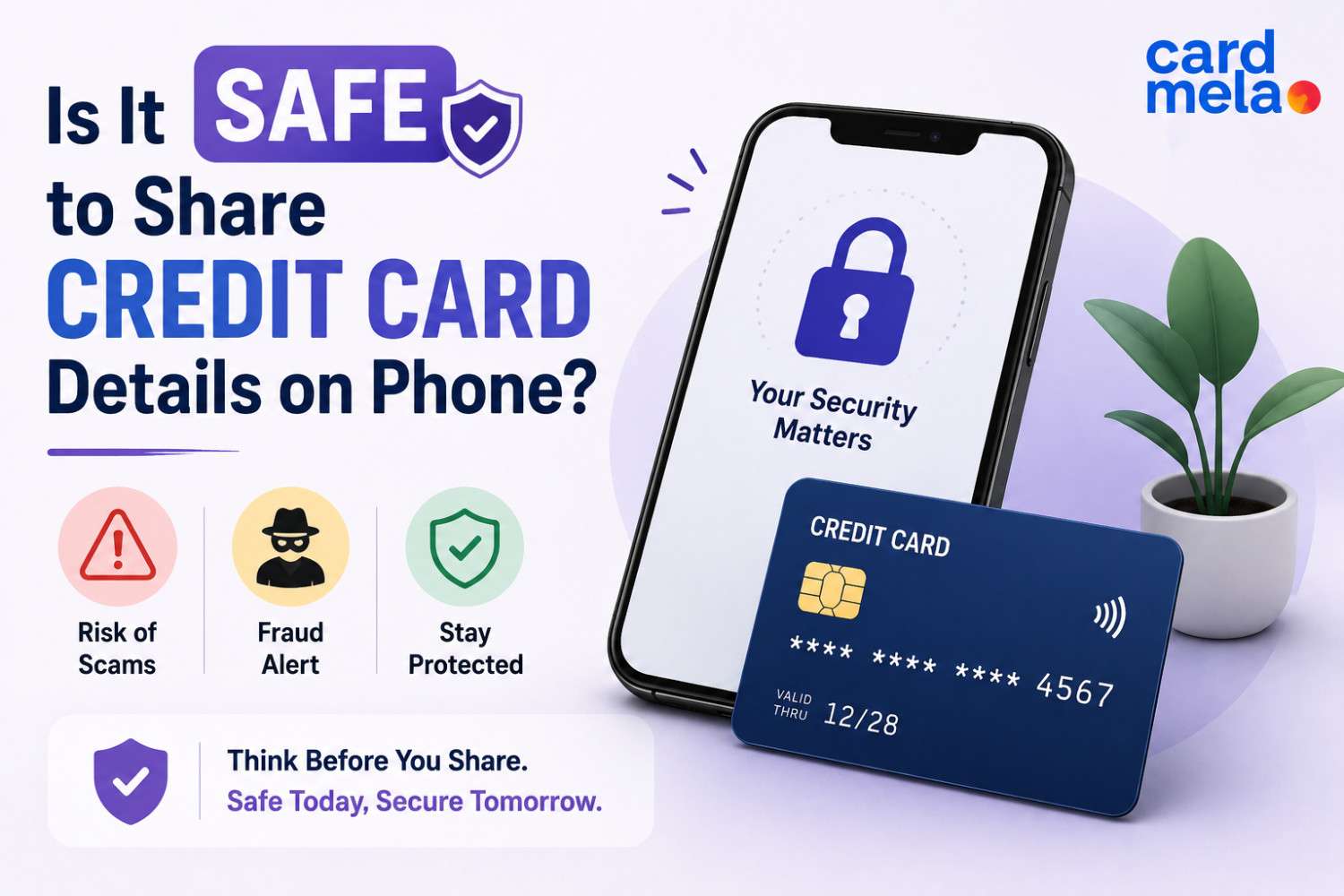
7 Shocking Risks of Sharing Credit Card Details on Phone & How to Stay Safe
Table of Contents
7 Shocking Risks of Sharing Credit Card Details on Phone & How to Stay Safe
Introduction
India’s digital banking ecosystem has grown at an extraordinary pace over the past few years. From instant UPI transactions and mobile banking to AI-powered financial apps and virtual credit cards, consumers today enjoy unprecedented convenience. However, this rapid digital growth has also created one of the biggest cybersecurity challenges in modern India — credit card fraud through phone calls.
Millions of Indians receive suspicious calls every month from fake bank agents, fraudsters pretending to be customer-care executives, fake RBI representatives, KYC verification teams, cashback departments, or reward-point redemption officers. Many of these scammers sound professional, use convincing language, and create panic or excitement to trick consumers into revealing sensitive banking information.
The most dangerous reality is that many victims do not realize they are being scammed until their bank account or credit card is already compromised.
Today, consumers are frequently asked over phone calls for:
- Credit card number
- CVV number
- OTP
- Expiry date
- UPI PIN
- Internet banking credentials
- Aadhaar-linked banking verification
- KYC updates
Banks and financial regulators including Reserve Bank of India and National Payments Corporation of India repeatedly warn consumers that legitimate banks never ask for confidential information like OTPs or CVV numbers over calls.
Yet scams continue growing because fraudsters exploit fear, urgency, greed, and confusion.
This guide explains:
- Whether sharing credit card details on phone is safe
- Most common scam techniques in India
- Risks of revealing banking information
- Smart precautions consumers should follow
- Best credit cards with stronger fraud protection
- Practical safety tips for digital banking users
In modern India, financial awareness is becoming just as important as financial earning.
Why Phone-Based Credit Card Scams Are Increasing
Phone-based financial fraud is growing rapidly because scammers now have access to:
- Leaked customer databases
- Social media information
- Fake caller-ID systems
- AI-generated voice systems
- Digital marketing data
- Telecom spam networks
Fraudsters often already know partial information about victims such as:
- Name
- Bank name
- Mobile number
- Card type
- City location
This makes scam calls sound more authentic and trustworthy.
Scammers usually create urgency by saying:
- “Your card will be blocked.”
- “KYC update pending.”
- “Reward points expiring today.”
- “Your account has suspicious activity.”
- “You won cashback lottery.”
- “Credit limit upgrade approved.”
Under panic or excitement, many consumers accidentally reveal sensitive information.
Table: Most Common Phone Banking Scams in India
| Scam Type | Fraudster Goal |
|---|---|
| Fake KYC verification | Steal card details |
| Reward points redemption | Obtain OTP |
| Credit limit upgrade | Capture CVV |
| Fake RBI warning | Create panic |
| Loan approval scam | Collect personal data |
| UPI block alert | Steal UPI PIN |
Is It Ever Safe to Share Credit Card Details on Phone?
In general, sharing complete credit card information over phone calls is extremely risky and should be avoided unless absolutely necessary and verified through official channels.
Legitimate banks may occasionally confirm limited information such as:
- Last four digits of card
- Name verification
- Registered mobile confirmation
However, genuine bank employees never ask for:
- Full card number
- CVV
- OTP
- ATM PIN
- UPI PIN
- Net banking password
The moment someone asks for these details over phone, consumers should immediately disconnect the call.
No genuine bank requires OTP sharing for customer verification.
Table: Information Never to Share on Phone
| Sensitive Information | Safe to Share? |
|---|---|
| OTP | Never |
| CVV number | Never |
| ATM PIN | Never |
| UPI PIN | Never |
| Full card number | Avoid |
| Internet banking password | Never |
How Scammers Emotionally Manipulate Consumers
Modern scammers are highly trained in psychological manipulation.
They commonly use:
- Fear
- Urgency
- Excitement
- Authority pressure
- Reward temptation
Examples include:
- “Your account is under investigation.”
- “Immediate action required.”
- “Your reward points expire in 10 minutes.”
- “Card suspension initiated.”
- “Income tax issue detected.”
Many fraud victims later admit they ignored logical thinking because the caller created emotional pressure.
The scam succeeds when the victim reacts emotionally instead of rationally.
Best Credit Cards with Strong Fraud Protection
HDFC Bank Millennia Credit Card
The HDFC Bank Millennia Credit Card is considered one of the strongest entry-level cashback cards for users heavily involved in online transactions and digital payments. It offers cashback benefits on ecommerce platforms, food delivery apps, and utility transactions while also providing instant transaction alerts and app-based card management features. The card is especially useful for younger consumers who frequently shop online and want better spending visibility through mobile banking systems. Its strong fraud-monitoring systems and instant SMS/email alerts help users quickly identify suspicious transactions, making it a safer option for digital-first consumers.
SBI Card PRIME
SBI Card PRIME is a premium lifestyle credit card designed for users who want strong security features along with travel, dining, and shopping benefits. The card provides real-time transaction notifications, EMI flexibility, fraud monitoring systems, and customer-support assistance that can help users react quickly in case of suspicious activity. Frequent travelers and high-spending users prefer this card because of its premium reward ecosystem and strong banking support infrastructure. The card is also useful for consumers wanting a balance between lifestyle rewards and digital payment security.
ICICI Bank Amazon Pay Credit Card
The ICICI Amazon Pay Credit Card has become one of India’s most popular cashback-focused cards for online shoppers and ecommerce users. Since online fraud risks are increasing rapidly, this card’s instant app integration and transaction notification systems provide an additional sense of security for digital consumers. It works especially well for users who regularly make purchases on ecommerce platforms and want transparent cashback tracking along with secure digital banking features. The card also benefits from ICICI Bank’s strong app ecosystem and fraud detection systems.
Axis Bank ACE Credit Card
Axis Bank ACE Credit Card is widely preferred among users heavily dependent on digital payments, utility bills, food delivery platforms, and UPI-based transactions. The card offers cashback benefits across several categories while maintaining strong app-based controls that allow consumers to monitor transactions easily. Users can track spending patterns, receive instant alerts, and manage transactions efficiently through digital banking applications. This makes the card particularly attractive for consumers who want both convenience and better control over their online financial activities.
IndusInd Legend Credit Card
The IndusInd Legend Credit Card targets premium users who prioritize customer service, transaction security, and lifestyle rewards. The card includes advanced fraud-alert systems, premium banking support, and secure transaction management features designed for users making frequent high-value payments. It is especially useful for consumers who travel often, shop online regularly, or use digital banking extensively. Strong customer-support responsiveness can become extremely valuable during situations involving suspicious activity or urgent card-blocking requirements.
Kotak League Platinum Credit Card
Kotak League Platinum Credit Card is designed for users seeking a balanced combination of reward points, digital banking convenience, and transaction safety. The card works well for consumers actively involved in online shopping, app-based banking, and everyday digital payments. Its secure banking ecosystem, spending notifications, and reward structure make it useful for both beginners and experienced credit card users. Consumers who prefer maintaining regular visibility over transactions and expenses often find this card suitable for long-term usage.
Table: Best Cards for Digital Security
| Credit Card | Security Advantage |
|---|---|
| SBI PRIME | Strong fraud alerts |
| Axis ACE | App-based controls |
| HDFC Millennia | Instant notifications |
| ICICI Amazon Pay | Ecommerce security |
| IndusInd Legend | Premium customer support |
Risks of Sharing Credit Card Details on Phone
Sharing credit card information over calls can create serious financial dangers.
Potential risks include:
- Unauthorized transactions
- Card cloning
- Fraudulent online purchases
- UPI account compromise
- Identity theft
- EMI fraud
- Loan scams
- SIM swap fraud
- Banking credential theft
In many cases, scammers combine stolen information from multiple sources to execute larger fraud schemes later.
One small mistake can expose complete financial profiles.
Uses of Stolen Credit Card Information
Fraudsters use stolen information for several illegal activities.
These include:
- Online shopping fraud
- Fake subscription services
- International transactions
- Digital wallet loading
- Cryptocurrency purchases
- Black-market resale
- Identity fraud
Modern cybercriminal networks often operate internationally and use automated systems to process stolen financial data quickly before victims notice suspicious activity.
Table: Signs a Phone Call May Be a Scam
| Scam Warning Sign | Risk Level |
|---|---|
| Asking for OTP | Extremely High |
| Urgent pressure tactics | High |
| Threatening account block | High |
| Reward-point temptation | Medium |
| Unknown number claiming RBI | Very High |
Why Older Consumers Become Easy Targets
Senior citizens and less tech-savvy users are often more vulnerable to phone scams because fraudsters exploit trust and confusion.
Common reasons include:
- Limited digital awareness
- Panic during urgent calls
- Lack of cybersecurity knowledge
- Trust in official-sounding language
- Fear of account suspension
Fraudsters specifically target older users because they are more likely to cooperate politely during long conversations.
This is why financial education has become extremely important for families.
How AI Is Making Banking Scams More Dangerous
Artificial intelligence is now increasing scam sophistication significantly.
Modern fraud techniques include:
- AI-generated voices
- Deepfake customer-care calls
- Personalized scam scripts
- Automated fraud bots
- Fake app interfaces
- Realistic phishing messages
Scammers can now create extremely convincing fake conversations that sound almost identical to real banking representatives.
This makes consumer awareness more important than ever before.
Tips to Stay Safe from Credit Card Phone Scams
Consumers can protect themselves by following simple but powerful security habits.
Important precautions include:
- Never share OTPs
- Never reveal CVV numbers
- Disconnect suspicious calls immediately
- Verify directly with official bank numbers
- Use transaction alerts
- Monitor card statements regularly
- Enable app-based controls
- Avoid clicking suspicious links
- Block spam callers
- Use strong banking passwords
The safest mindset is simple:
If someone asks for confidential information urgently over phone, it is probably a scam.
Table: Smart Banking Habits vs Dangerous Habits
| Smart Habit | Dangerous Habit |
|---|---|
| Verifying caller identity | Trusting unknown callers |
| Using official apps | Clicking random links |
| Checking statements regularly | Ignoring alerts |
| Blocking spam numbers | Sharing OTP casually |
Internal Linking
- New Digital Scam Trends in India
- Best Credit Cards for Online Shopping Security
- Credit Cards That Work Best with Google Pay & PhonePe
- Hidden Charges Most Credit Card Users Ignore
- UPI Credit Cards Becoming India’s Next Big Payment Trend
- How to Build a Strong Credit Score Safely
External Linking
Conclusion
Sharing sensitive credit card information over phone calls is one of the biggest financial risks in modern India’s digital banking ecosystem.
Scammers today are more sophisticated, emotionally manipulative, and technologically advanced than ever before. They exploit fear, urgency, rewards, and confusion to trick consumers into revealing confidential details that should never be shared under any circumstances.
As digital payments continue expanding rapidly through UPI systems, fintech apps, AI-powered banking, and online transactions, cybersecurity awareness is becoming an essential financial skill for every Indian consumer.
The safest consumers are not necessarily the richest or most technologically advanced.
They are the ones who stay calm, verify information independently, and never reveal confidential banking details under emotional pressure.
Because in the digital era, protecting your financial information is just as important as earning money itself.
FAQs (Frequently Asked Questions )
Is it safe to share credit card details with bank representatives over phone calls?
In most situations, no. Genuine bank representatives never ask for sensitive information such as OTPs, CVV numbers, ATM PINs, UPI PINs, or internet banking passwords over phone calls. Banks may sometimes verify limited information like the last four digits of your card or your registered mobile number, but confidential security credentials should never be shared verbally.
Why do scammers pretend to be bank officials?
Scammers pretend to be bank employees because people naturally trust official financial institutions. Fraudsters use fear, urgency, and authority-based language to create panic and pressure victims into revealing confidential information quickly before they have time to think logically.
Can someone misuse my credit card using only the card number?
Yes, in some cases scammers can misuse partial card information for online fraud attempts, phishing attacks, or identity verification scams. If they obtain additional details such as CVV numbers, OTPs, or expiry dates, the risk becomes significantly higher.
Why do scammers ask for OTPs during calls?
OTP codes are often the final authorization step required to complete fraudulent transactions. Once a victim shares the OTP, scammers can instantly approve purchases, transfer money, or gain unauthorized access to banking services.
What should I do if I accidentally shared my credit card details?
Consumers should immediately contact their bank’s official customer-care number, block the card temporarily or permanently, monitor recent transactions carefully, reset online banking passwords, and report suspicious activity to cybercrime authorities if necessary.
Are reward-point redemption calls usually fake?
Many reward-point redemption calls are fraudulent. Scammers commonly use fake cashback offers, expiring reward points, or gift voucher claims to convince victims to share OTPs or install dangerous apps. Consumers should verify all offers directly through official banking apps or websites.
Why are senior citizens more vulnerable to banking scams?
Older consumers are often targeted because scammers believe they may be less familiar with modern digital fraud techniques. Fraudsters also exploit politeness, trust, and panic more effectively during conversations with elderly users.
Can AI make financial scams more dangerous in future?
Yes. AI-generated voices, fake customer-service bots, deepfake technology, and personalized phishing systems are making scams increasingly realistic. Fraud calls may soon sound almost identical to genuine banking conversations.
How can consumers identify suspicious banking calls quickly?
Major warning signs include urgency, pressure tactics, requests for OTPs, threats of account blocking, cashback temptations, suspicious links, unknown caller numbers, and demands for confidential details. Genuine banks never pressure customers into revealing sensitive information immediately.
What is the funniest but most dangerous mistake consumers make during scam calls?
One of the funniest yet most dangerous mistakes is when consumers proudly say, “Mujhe scams ka sab pata hai,” and then still share OTPs because the fraudster offered ₹500 cashback or claimed their reward points were “expiring in five minutes.”
Author Bio
CardMela, a fast-growing platform dedicated to helping Indian consumers make smarter financial decisions. With extensive experience in digital banking trends, fintech ecosystems, cybersecurity awareness, and credit card analysis, Manish specializes in simplifying complex financial topics into practical and engaging content. Through CardMela, he helps readers stay informed about modern banking risks, safer digital payment habits, and the latest developments shaping India’s rapidly evolving financial ecosystem.
Whether you’re looking for cashback, travel rewards, fuel savings, or lifetime free cards — CardMela helps you compare, analyze, and choose the credit card that fits your lifestyle perfectly. We partner with leading partners to bring you exclusive offers and detailed insights, so you can make smart financial decisions with confidence.
© 2025 CardMela.com. All rights reserved.
