
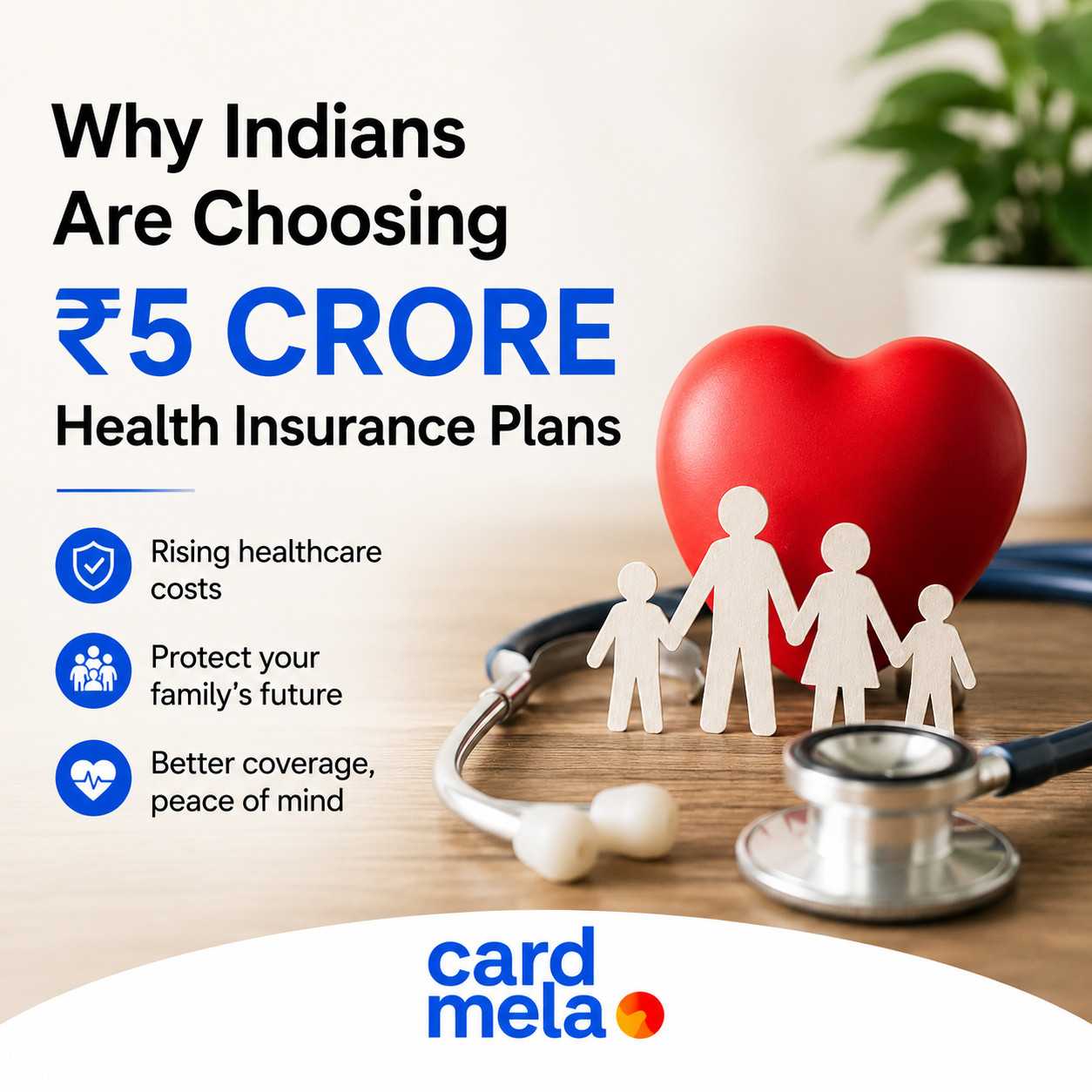
Why Indians Are Choosing ₹5 Crore Health Insurance Plans : The Rise of Super Health Coverage
Table of Contents
Why Indians Are Choosing ₹5 Crore Health Insurance Plans : The Rise of Super Health Coverage
Introduction
Health insurance in India has undergone a massive transformation over the past decade. Earlier, a health insurance policy with a sum insured of ₹5 lakh or ₹10 lakh was considered sufficient for most families. However, rising healthcare costs, increasing lifestyle diseases, expensive medical treatments, and growing awareness about financial protection have completely changed the landscape. Today, more Indians are actively purchasing health insurance plans offering coverage up to ₹5 crore.
The shift toward high-value health insurance plans is not merely a trend but a reflection of changing healthcare realities. Treatments involving cancer, organ transplants, robotic surgeries, cardiac procedures, and prolonged ICU admissions can easily cost tens of lakhs. A single medical emergency has the potential to wipe out years of savings. As a result, individuals are increasingly looking for larger insurance coverage that protects both their health and financial future.
The growing popularity of ₹5 crore health insurance plans is also being driven by younger professionals, entrepreneurs, business owners, and families seeking long-term security. With affordable premium structures and super top-up options available in the market, higher coverage has become more accessible than ever before.
Why Healthcare Costs Are Rising Rapidly in India
Medical inflation in India is consistently outpacing general inflation. Every year, hospitalization expenses, specialist consultation fees, diagnostic testing costs, and pharmaceutical prices continue to rise. Advanced treatments that were once available only in a few metropolitan hospitals are now becoming common across major cities, but they come with significant expenses.
Private healthcare facilities increasingly rely on advanced technology, robotic surgery systems, specialized equipment, and highly trained specialists. While these developments improve patient outcomes, they also contribute to higher treatment costs.
For families without adequate health insurance, a serious illness can quickly become a financial crisis. This is one of the primary reasons many consumers are opting for health insurance plans offering coverage in crores rather than lakhs.
Table: Estimated Cost of Major Medical Treatments in India
| Treatment | Estimated Cost Range |
|---|---|
| Heart Bypass Surgery | ₹3 Lakh – ₹8 Lakh |
| Cancer Treatment | ₹5 Lakh – ₹50 Lakh+ |
| Kidney Transplant | ₹8 Lakh – ₹25 Lakh |
| Liver Transplant | ₹20 Lakh – ₹50 Lakh |
| ICU Stay (Per Day) | ₹15,000 – ₹1 Lakh |
| Robotic Surgery | ₹2 Lakh – ₹15 Lakh |
| Organ Transplant | ₹15 Lakh – ₹60 Lakh |
| Advanced Neurology Treatment | ₹5 Lakh – ₹30 Lakh |
What Is a ₹5 Crore Health Insurance Plan?
A ₹5 crore health insurance plan is a policy that provides medical expense coverage up to ₹5 crore during the policy period, subject to terms and conditions. Such plans are usually structured through a combination of base health insurance and super top-up coverage.
These plans are designed to protect policyholders against catastrophic healthcare expenses that may arise due to severe illnesses, multiple hospitalizations, or long-term treatments. The objective is not necessarily to exhaust the entire coverage amount but to ensure that financial resources remain protected even in worst-case medical scenarios.
Benefits of ₹5 Crore Health Insurance Plans
One of the biggest advantages of higher coverage is peace of mind. Policyholders know that even expensive treatments are unlikely to create major financial stress. This allows families to focus on recovery rather than worrying about medical bills.
Large coverage plans also provide flexibility in choosing hospitals, specialists, treatment methods, and healthcare facilities. Instead of being constrained by insurance limits, patients can prioritize quality treatment decisions.
Additionally, high-value plans often include modern features such as cashless hospitalization, pre- and post-hospitalization benefits, annual health checkups, wellness programs, and access to extensive hospital networks.
Table: Benefits of Higher Health Insurance Coverage
| Benefit | Advantage |
|---|---|
| Financial Security | Protection from large medical bills |
| Better Hospital Choices | Access to premium healthcare facilities |
| Reduced Stress | Focus on treatment instead of costs |
| Family Protection | Coverage for multiple members |
| Long-Term Security | Future medical inflation protection |
| Cashless Treatment | Easier hospitalization process |
| Critical Illness Support | Coverage for major diseases |
Table: Why Indians Are Upgrading to ₹5 Crore Health Insurance Plans
| Reason | Impact on Consumers |
|---|---|
| Rising Medical Inflation | Hospital bills are increasing every year |
| Expensive Critical Illness Treatments | Cancer and organ transplant costs can exceed ₹25 lakh |
| Better Financial Protection | Prevents savings from being wiped out |
| Growing Health Awareness | More families understand insurance benefits |
| Affordable Super Top-Up Plans | High coverage available at lower premiums |
| Increasing Lifestyle Diseases | Higher risk of long-term treatments |
| Access to Premium Hospitals | Better healthcare options available |
| Family Security | Covers spouse, children, and parents |
Table: ₹5 Lakh vs ₹50 Lakh vs ₹5 Crore Health Insurance
| Feature | ₹5 Lakh Plan | ₹50 Lakh Plan | ₹5 Crore Plan |
|---|---|---|---|
| Basic Hospitalization | Yes | Yes | Yes |
| Major Surgeries | Limited Coverage | Good Coverage | Excellent Coverage |
| Cancer Treatment | May Not Be Enough | Better Protection | Comprehensive Protection |
| Organ Transplants | Limited | Moderate | Extensive Coverage |
| Medical Inflation Protection | Low | Medium | High |
| Premium Hospitals | Limited Access | Better Access | Full Flexibility |
| Long-Term Family Security | Low | Medium | High |
Why Young Indians Are Buying High-Coverage Plans
Contrary to popular belief, high-value health insurance is not being purchased only by senior citizens. Young professionals are increasingly recognizing the importance of securing coverage early.
Purchasing health insurance at a younger age often results in lower premiums and fewer medical exclusions. Additionally, younger policyholders can maintain continuous coverage for decades, reducing future insurance-related complications.
Many individuals in their 20s and 30s understand that waiting until health issues arise may lead to higher premiums or policy limitations. Therefore, they prefer securing substantial protection while healthy.
Best Credit Cards for Health & Lifestyle Expenses
HSBC Live+ Credit Card
The HSBC Live+ Credit Card offers benefits across dining, shopping, entertainment, and lifestyle categories. Individuals managing healthcare expenses can also use rewards earned through everyday spending to optimize household finances. Consistent usage and timely repayment help strengthen credit profiles while maximizing value.
HDFC Bank Regalia Gold Credit Card
The HDFC Regalia Gold Credit Card is popular among professionals seeking premium lifestyle benefits and travel privileges. Its reward structure allows users to accumulate value across various spending categories while maintaining strong financial discipline.
Axis Bank Atlas Credit Card
The Axis Atlas Credit Card focuses heavily on travel rewards and premium experiences. For consumers managing family expenses, healthcare planning, and long-term financial goals, reward optimization can contribute to overall savings strategies.
SBI Cashback Credit Card
The SBI Cashback Credit Card continues to attract consumers due to its straightforward reward structure. Regular household expenses can generate cashback that indirectly supports broader financial planning objectives.
YES Bank Marquee Credit Card
The YES Bank Marquee Credit Card targets affluent consumers seeking premium rewards and lifestyle benefits. Cardholders can leverage spending rewards while maintaining a strong credit history useful for future financial products.
Table: Credit Cards Useful for Family Financial Planning
| Credit Card | Key Benefit |
|---|---|
| HSBC Live+ | Lifestyle Cashback |
| HDFC Regalia Gold | Travel Rewards |
| Axis Atlas | Air Miles Benefits |
| SBI Cashback | Online Spending Cashback |
| YES Marquee | Premium Lifestyle Benefits |
Health Insurance vs Emergency Fund
Many consumers wonder whether they need both an emergency fund and health insurance. The answer is yes. These two financial tools serve different purposes.
An emergency fund is designed for temporary financial disruptions such as job loss, vehicle repairs, home maintenance, or short-term cash requirements. Health insurance specifically protects against medical expenses that could reach several lakhs or crores.
Using an emergency fund to pay major hospital bills can quickly exhaust financial reserves. Health insurance ensures that emergency savings remain available for other unforeseen situations.
Common Myths About ₹5 Crore Health Insurance Plans
One common myth is that only wealthy individuals need high-value coverage. In reality, even middle-class families can face medical expenses that exceed traditional insurance limits.
Another misconception is that large coverage automatically means expensive premiums. Many insurers now offer affordable super top-up structures that make substantial coverage accessible.
Some consumers also believe that young, healthy individuals do not require health insurance. However, purchasing coverage while healthy often results in lower premiums and fewer restrictions compared to buying insurance later in life.
Who Should Consider a ₹5 Crore Health Insurance Plan?
High-value health insurance is particularly beneficial for families living in metro cities, self-employed professionals, business owners, high-income earners, frequent travelers, and individuals with family histories of serious illnesses.
People supporting elderly parents may also find large coverage useful because healthcare costs tend to rise significantly with age. Even middle-income families are increasingly choosing higher coverage because super top-up plans make such protection relatively affordable.
Tips Before Buying a ₹5 Crore Health Insurance Plan
Before purchasing any health insurance policy, consumers should carefully review policy terms, waiting periods, exclusions, room-rent limits, claim settlement records, network hospitals, and renewal conditions.
Choosing coverage solely based on the highest sum insured is not always ideal. Policy quality, claim experience, and insurer reputation matter equally.
Consumers should also compare multiple insurers and evaluate whether the coverage structure includes a base policy combined with super top-up benefits.
Table: Factors to Compare Before Buying Health Insurance
| Factor | Importance |
|---|---|
| Sum Insured | High |
| Claim Settlement Ratio | Very High |
| Network Hospitals | High |
| Waiting Periods | High |
| Premium Cost | Medium |
| Room Rent Limits | High |
| Cashless Facilities | High |
| Customer Service | Medium |
Internal Linking
- How Much Loan Can You Get on ₹30,000 Salary?
- UPI Credit Cards Becoming India’s Next Big Payment Trend
- Why Banks Ask for Re-KYC and What Happens If You Ignore It
- India’s Banking System Becoming More AI-Powered
- Best Credit Cards for International Travel in 2026
- How to Build a Strong Credit Score by Swiping Your Credit Card
- Hidden Credit Card Charges Most Users Ignore
- Best Cashback Credit Cards for Salaried Employees
- How Social Media Creates Financial Pressure on Gen Z
- Emergency Fund vs Credit Card: Which Protects You Better?
External Linking
- Insurance Regulatory and Development Authority of India (IRDAI)
- National Health Authority (NHA)
- Ayushman Bharat Digital Mission
- Star Health Insurance
- HDFC ERGO Health Insurance
- ICICI Lombard Health Insurance
- Care Health Insurance
- Niva Bupa Health Insurance
- Policybazaar Health Insurance Guide
- TATA AIG Health Insurance
Conclusion
The increasing popularity of ₹5 crore health insurance plans reflects a broader shift in how Indians approach healthcare and financial planning. Rising medical inflation, growing healthcare awareness, and increasing access to advanced treatments have encouraged consumers to seek stronger financial protection.
While not everyone may require the maximum available coverage, higher insurance limits provide valuable protection against unexpected medical expenses that could otherwise damage long-term financial stability. As healthcare costs continue rising, comprehensive insurance planning is becoming a critical component of responsible financial management.
Consumers who carefully compare policies, understand coverage details, and select reputable insurers can significantly improve their family’s financial resilience against future healthcare uncertainties.
FAQs (Frequently Asked Questions )
Why are more Indians buying ₹5 crore health insurance plans?
Many Indians are choosing ₹5 crore health insurance plans because healthcare costs have increased dramatically over the past decade. Treatments such as cancer care, organ transplants, heart surgeries, and prolonged ICU admissions can cost several lakhs or even crores. Large coverage plans provide financial protection against these rising expenses and help families avoid exhausting their savings during medical emergencies.
Is a ₹5 crore health insurance policy only for wealthy individuals?
Not necessarily. Many insurers now offer affordable super top-up plans that make high-value coverage accessible to middle-class families. Instead of paying extremely high premiums, consumers can combine base health insurance with top-up coverage to achieve protection up to ₹5 crore at a relatively reasonable cost.
Do young professionals really need such large health insurance coverage?
Young professionals may benefit significantly from buying larger coverage early because premiums are often lower at younger ages. Purchasing health insurance while healthy can also reduce future complications related to pre-existing diseases, waiting periods, and premium increases.
What types of illnesses can justify a ₹5 crore health insurance plan?
Serious conditions such as cancer, organ failure, liver transplants, kidney transplants, neurological disorders, cardiac diseases, rare medical conditions, and multiple hospitalizations can generate extremely high treatment expenses. Comprehensive coverage helps protect against these financial risks.
Will I actually use the full ₹5 crore coverage amount?
Most policyholders never utilize the entire sum insured. The purpose of high coverage is not necessarily to spend the entire amount but to ensure protection against worst-case scenarios where treatment costs become exceptionally high.
Are cashless hospitalization facilities available under high-value plans?
Yes. Most major insurers provide cashless treatment facilities through extensive hospital networks. Policyholders can receive treatment without making full upfront payments, subject to policy terms and insurer approvals.
How does medical inflation affect health insurance planning?
Medical inflation in India often grows faster than general inflation. Procedures that cost ₹5 lakh today may cost significantly more in the future. Larger health insurance coverage helps account for these rising healthcare expenses over time.
Should I buy health insurance through an agent or online?
Both options are available. Online purchases often provide easier comparison of features, premiums, and benefits. However, some consumers prefer agents for personalized guidance. The best approach depends on individual comfort levels and understanding of insurance products.
What should I compare before purchasing a ₹5 crore health insurance plan?
Consumers should evaluate claim settlement ratios, waiting periods, exclusions, network hospitals, premium costs, room-rent restrictions, renewal policies, and customer service quality before making a final decision.
Can health insurance protect my family’s long-term financial goals?
Absolutely. One major medical emergency can significantly impact savings, investments, retirement plans, children’s education funds, and wealth creation goals. Adequate health insurance helps preserve financial stability by transferring healthcare risks to the insurer.
Author Bio
CardMela is a leading personal finance platform dedicated to helping Indian consumers make informed decisions about credit cards, banking products, insurance solutions, loans, digital payments, and financial planning. Through comprehensive guides, product comparisons, industry updates, and expert financial insights, CardMela simplifies complex financial topics and empowers readers to build stronger financial futures. The platform regularly covers emerging trends in credit cards, insurance, fintech innovation, personal finance management, and consumer banking to help users maximize value and make smarter money decisions.
Whether you’re looking for cashback, travel rewards, fuel savings, or lifetime free cards — CardMela helps you compare, analyze, and choose the credit card that fits your lifestyle perfectly. We partner with leading partners to bring you exclusive offers and detailed insights, so you can make smart financial decisions with confidence.
© 2025 CardMela.com. All rights reserved.
