
India Has Only 5.2% Credit Card Penetration – Huge Growth Ahead?
Table of Contents
India Has Only 5.2% Credit Card Penetration – Huge Growth Ahead?
Introduction
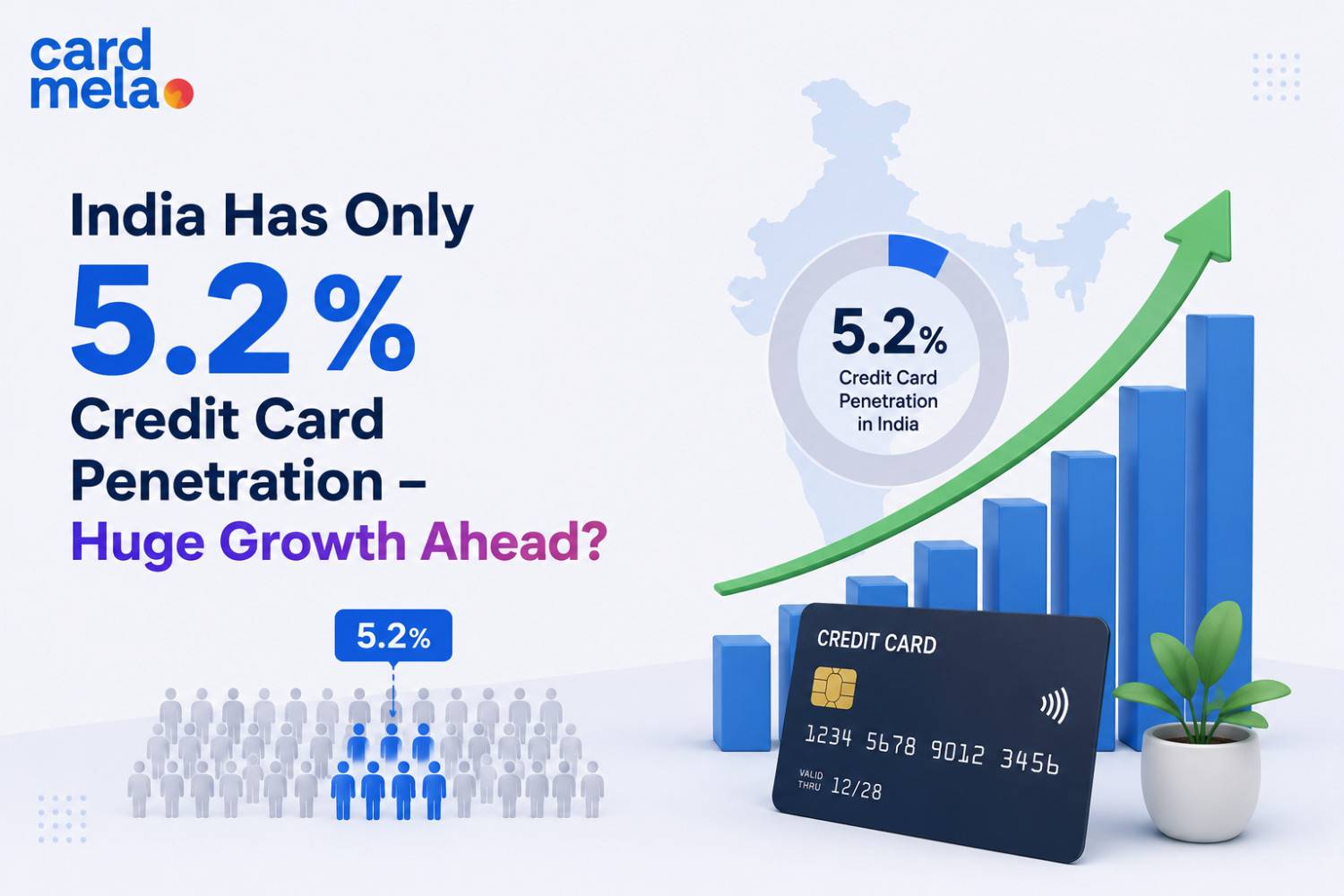
India is one of the fastest-growing digital economies in the world, yet the country’s credit card penetration remains surprisingly low compared to developed financial markets. Despite rapid expansion in digital payments, ecommerce, fintech innovation, UPI ecosystems, and online banking adoption, only around 5.2% of India’s population actively uses credit cards.
This number may look small, but financial experts and banking institutions believe it represents one of the biggest long-term growth opportunities in India’s financial sector.
Countries such as:
- United States
- South Korea
- Singapore
- Canada
- United Kingdom
have significantly higher credit card penetration levels because consumers in those economies depend heavily on credit-based spending systems.
India, however, is still transitioning from:
- Cash-based payments
- Debit-card dependency
- Traditional banking habits
- Conservative borrowing culture
toward a modern digital-credit ecosystem.
Organizations such as Reserve Bank of India, National Payments Corporation of India, and leading financial institutions including HDFC Bank, ICICI Bank, Axis Bank, and State Bank of India are aggressively expanding India’s credit ecosystem through:
- UPI-linked credit cards
- Cashback systems
- EMI offers
- Digital onboarding
- App-based banking
- AI-driven approvals
- Reward-focused campaigns
The next decade may completely transform India into a far more credit-driven economy.
And banks know it.
What Does Credit Card Penetration Mean?
Credit card penetration simply refers to the percentage of the population actively using credit cards.
For example:
| Country | Estimated Credit Card Penetration |
|---|---|
| United States | Very High |
| South Korea | Extremely High |
| Singapore | High |
| India | Around 5.2% |
This low number indicates that millions of Indians still do not use credit cards regularly despite increasing smartphone adoption and digital-payment usage.
For banks and fintech companies, this means massive untapped potential.
Why India’s Credit Card Penetration Is Still Low
Several reasons explain why India’s credit card penetration remains relatively small.
Major factors include:
- Strong cash-payment culture
- Fear of debt
- Limited financial literacy
- Low rural banking penetration
- Income verification challenges
- Lack of credit awareness
- Fear of hidden charges
- Preference for debit cards and UPI
Many Indian families still believe credit cards are dangerous or only meant for wealthy consumers.
However, younger generations are changing this perception rapidly.
Table: Traditional India vs Modern Digital India
| Traditional Banking Habits | Modern Financial Habits |
|---|---|
| Cash payments | UPI payments |
| Debit-card preference | Credit-card rewards |
| Saving-first mindset | Cashback optimization |
| Fear of loans | EMI-driven purchases |
Why Banks Are Aggressively Expanding Credit Cards
Banks understand that India’s low credit penetration represents enormous long-term profitability.
Credit card users generate revenue through:
- Merchant commissions
- Interest charges
- EMI conversions
- Annual fees
- Reward ecosystems
- Travel partnerships
- Insurance integrations
As digital spending grows, banks want consumers to shift from:
“Cash spending”
to:
“Reward-driven digital spending.”
This is why almost every major bank now promotes:
- Cashback cards
- UPI-linked cards
- Fuel-saving cards
- Travel reward cards
- Shopping-focused cards
- Entertainment cards
The competition is becoming extremely aggressive.
Best Credit Cards for India’s Growing Digital Economy
HDFC Bank Regalia Gold Credit Card
HDFC Regalia Gold is one of India’s strongest lifestyle-oriented cards for consumers entering premium banking ecosystems. The card offers travel privileges, reward-point acceleration, airport lounge access, and strong ecommerce partnerships. Users who spend regularly on travel, shopping, dining, and online services can generate substantial value through its reward system. As India’s middle class expands, cards like Regalia Gold are becoming increasingly popular among salaried professionals seeking premium experiences without ultra-premium annual fees.
SBI Cashback Credit Card
The SBI Cashback Credit Card has become highly attractive for digital-first users who spend heavily on ecommerce platforms, subscriptions, utility bills, and online shopping. Its simplified cashback structure appeals to younger consumers who prefer straightforward savings rather than complicated reward-point calculations. The card reflects how India’s growing online-shopping culture is directly influencing modern credit card demand.
Axis Bank Atlas Credit Card
Axis Bank Atlas is designed for consumers increasingly interested in travel-focused reward systems. With India’s international tourism and airline spending rising rapidly, travel-oriented cards are expected to become a major growth segment. Atlas provides travel milestones, accelerated rewards, and premium travel partnerships that attract frequent travelers and aspirational middle-class users.
ICICI Bank Coral RuPay Credit Card
ICICI Coral RuPay reflects India’s transition toward QR-code payments and UPI-linked credit systems. The card allows consumers to combine traditional credit flexibility with modern UPI convenience. As millions of merchants already accept QR payments, RuPay-linked credit cards may become one of the biggest drivers of future credit penetration growth in India.
IndusInd Tiger Credit Card
IndusInd Tiger is aimed at consumers wanting practical lifestyle benefits across fuel, shopping, dining, and digital spending categories. The card works well for users who want regular rewards without entering premium annual-fee segments. Mid-income salaried consumers are expected to become one of the largest future customer groups for such flexible reward-focused cards.
AU Bank Zenith+ Credit Card
AU Bank Zenith+ represents the next generation of digitally aggressive banking products targeting affluent millennials and professionals. The card includes strong travel, dining, and reward systems while reflecting the increasing competition between new-age private banks and established financial institutions.
Table: Best Cards Based on Consumer Type
| Consumer Type | Recommended Card |
|---|---|
| Online shoppers | SBI Cashback |
| Premium professionals | HDFC Regalia Gold |
| Travel lovers | Axis Atlas |
| UPI-heavy users | ICICI Coral RuPay |
| Everyday reward users | IndusInd Tiger |
Benefits of Rising Credit Card Adoption in India
The growth of credit card penetration can create several advantages for consumers and the economy.
Major benefits include:
- Better digital-payment convenience
- Increased financial inclusion
- Stronger ecommerce growth
- Improved reward ecosystems
- Enhanced consumer spending flexibility
- Better transaction tracking
- Reduced cash dependency
- Growth in travel and lifestyle industries
For disciplined users, credit cards also help build stronger credit histories and improve future loan eligibility.
Uses of Credit Cards in Modern India
Credit cards are no longer limited to luxury purchases.
Modern Indian consumers now use them for:
- Grocery shopping
- UPI payments
- Fuel purchases
- Travel bookings
- Food delivery
- Utility bills
- Online subscriptions
- Ecommerce shopping
- EMI conversions
- Entertainment spending
The expansion of QR-code ecosystems and app-based banking has made credit cards more accessible than ever before.
Table: Everyday Uses of Credit Cards in 2026
| Usage Type | Popularity Growth |
|---|---|
| UPI-linked payments | Explosive |
| Online shopping | Very High |
| Utility bill payments | High |
| Food delivery spending | Growing rapidly |
| QR-code transactions | Extremely High |
Why Younger Indians Are Driving Credit Card Growth
India’s younger population is becoming the biggest driver of future credit expansion.
Reasons include:
- Smartphone dependency
- Ecommerce culture
- Travel aspirations
- Cashback obsession
- Subscription spending
- Digital lifestyle adoption
- EMI comfort levels
- App-based banking familiarity
Unlike older generations, younger consumers often see credit cards as lifestyle tools rather than debt instruments.
This psychological shift is reshaping India’s banking industry.
The Role of UPI in Future Credit Card Growth
One of the biggest reasons analysts expect strong credit expansion is the rise of UPI-linked credit cards.
Consumers can now:
- Scan QR codes using credit lines
- Earn cashback on local spending
- Use credit cards at small shops
- Integrate cards with apps like Google Pay and PhonePe
This dramatically increases credit-card usability beyond traditional swipe-machine environments.
India may soon become one of the world’s most unique hybrid economies combining:
- UPI convenience
- Credit-based spending
- Reward-focused finance
Table: Why UPI Credit Cards Could Explode in India
| Factor | Impact |
|---|---|
| Existing QR infrastructure | Massive scalability |
| Smartphone penetration | Easy adoption |
| Cashback culture | Strong engagement |
| Young population | Long-term growth |
Risks of Rapid Credit Expansion
While rising credit penetration creates opportunities, it also introduces risks.
Potential problems include:
- Overspending
- EMI dependency
- Debt traps
- Cashback addiction
- Financial stress
- Fraud risks
- Poor repayment discipline
Banks aggressively market rewards because higher spending increases profitability.
Consumers must maintain financial discipline while enjoying modern credit ecosystems.
Tips for Responsible Credit Card Usage
Consumers should follow smart financial habits while entering India’s expanding credit economy.
Important tips include:
- Pay bills fully every month
- Avoid unnecessary EMIs
- Keep low credit utilization
- Track reward expiry dates
- Avoid impulsive spending
- Compare annual fees carefully
- Monitor credit scores regularly
- Use cards for planned expenses only
The best credit card users are disciplined users — not the biggest spenders.
Table: Smart Credit Habits vs Dangerous Habits
| Smart Usage | Dangerous Usage |
|---|---|
| Full repayment | Minimum due trap |
| Planned purchases | Emotional spending |
| Controlled EMI usage | EMI overload |
| Reward optimization | Reward obsession |
Internal Linking
- UPI Credit Cards Becoming India’s Next Big Payment Trend
- Best Credit Cards for Online Shopping in India
- How to Build a Strong Credit Score by Swiping Your Credit Card
- Credit Cards That Work Best with Google Pay & PhonePe
- Hidden Charges Most Credit Card Users Ignore
- Best Cashback Credit Cards in India
- Food Delivery Cashback Offers in May 2026
- Best Credit Cards for International Travel in 2026
External Linking
- Reserve Bank of India
- NPCI India
- HDFC Bank
- ICICI Bank
- Axis Bank
- SBI Card
- Visa India
- Mastercard India
- RuPay
- Google Pay India
Conclusion
India’s extremely low credit card penetration may actually represent one of the country’s biggest financial-growth opportunities over the next decade.
As digital payments, UPI systems, ecommerce platforms, fintech ecosystems, and app-based banking continue expanding rapidly, millions of Indian consumers are expected to enter formal credit ecosystems for the first time.
Banks are already preparing aggressively through:
- Reward-focused campaigns
- UPI-linked credit cards
- AI-driven approvals
- Cashback ecosystems
- Lifestyle partnerships
The future Indian consumer may no longer think:
“Should I use a credit card?”
Instead, the question may become:
“Which card gives the best cashback for this payment?”
However, financial discipline will remain critical.
Because while credit cards can create convenience, rewards, and financial flexibility, uncontrolled usage can quickly create debt pressure and long-term financial stress.
India’s next financial revolution may not be about cash versus digital.
It may be about how responsibly consumers use credit inside an increasingly reward-driven economy.
FAQs (Frequently Asked Questions )
What does 5.2% credit card penetration in India actually mean?
It means that only a small percentage of India’s population actively uses credit cards despite the country’s massive population and growing digital economy. Compared to developed countries where credit-card usage is extremely common, India still has enormous room for future expansion.
Why is India’s credit card penetration still so low?
Several factors contribute to low penetration, including strong cash-payment habits, fear of debt, limited financial literacy, rural banking challenges, and traditional family attitudes toward borrowing. Many consumers still view credit cards as risky financial tools instead of controlled convenience products.
Why are banks aggressively promoting credit cards now?
Banks see massive long-term growth potential because India’s digital economy is expanding rapidly. Credit cards generate revenue through merchant commissions, EMI systems, annual fees, and customer engagement. The more consumers spend digitally, the more profitable the ecosystem becomes for banks.
How are UPI systems helping credit-card growth?
UPI-linked credit cards allow users to make QR-code payments directly through credit lines using apps like Google Pay and PhonePe. This dramatically increases everyday usability because even small local merchants can now indirectly accept credit-card transactions.
Are younger Indians more comfortable using credit cards?
Yes. Younger consumers are generally more comfortable with digital payments, ecommerce shopping, EMI systems, and reward-based spending. Many younger users view credit cards as lifestyle and convenience tools rather than dangerous debt instruments.
Can rising credit-card penetration improve India’s economy?
Yes. Increased credit adoption can strengthen digital transactions, ecommerce growth, travel industries, fintech innovation, and consumer spending activity. It also improves formal financial inclusion and creates stronger banking ecosystems.
Is rapid credit-card growth risky for consumers?
Yes, if consumers misuse credit irresponsibly. Overspending, cashback addiction, excessive EMIs, and poor repayment habits can create long-term debt problems. Financial discipline is extremely important.
Which type of credit cards may grow fastest in India?
UPI-linked credit cards, cashback-focused cards, fuel-saving cards, ecommerce reward cards, and travel-oriented cards are expected to grow rapidly because they align closely with India’s changing digital spending behavior.
Why are cashback systems becoming so psychologically powerful?
Cashback systems create emotional satisfaction by making consumers feel they are “earning” rewards while spending money. Banks and fintech apps strategically use this psychology to encourage more frequent transactions and higher engagement.
What is the funniest reality about India’s future credit-card economy?
The funniest reality is that India may soon become a country where people proudly buy ₹20 chai on credit through QR codes while spending thirty minutes comparing which app gives ₹2 extra cashback for the transaction.
Author Bio
The founder and content strategist behind CardMela is a passionate financial content creator focused on simplifying credit cards, digital banking, cashback systems, UPI innovations, and personal finance for Indian consumers. With extensive experience analyzing banking trends and fintech developments, CardMela has become a trusted platform for readers looking to make smarter financial decisions in India’s rapidly evolving digital economy.
The platform regularly covers topics such as credit card rewards, cashback offers, spend-based campaigns, travel benefits, fuel savings, digital-payment security, and modern banking technologies. Its content is designed to help consumers maximize value from everyday spending while avoiding common financial mistakes like hidden charges, debt traps, impulsive EMI usage, and fraud risks.
CardMela strongly focuses on practical financial awareness by publishing easy-to-understand guides, detailed card comparisons, banking explainers, and consumer-focused tips that simplify complex financial products for both beginners and experienced users.
Whether you’re looking for cashback, travel rewards, fuel savings, or lifetime free cards — CardMela helps you compare, analyze, and choose the credit card that fits your lifestyle perfectly. We partner with leading partners to bring you exclusive offers and detailed insights, so you can make smart financial decisions with confidence.
© 2025 CardMela.com. All rights reserved.
