
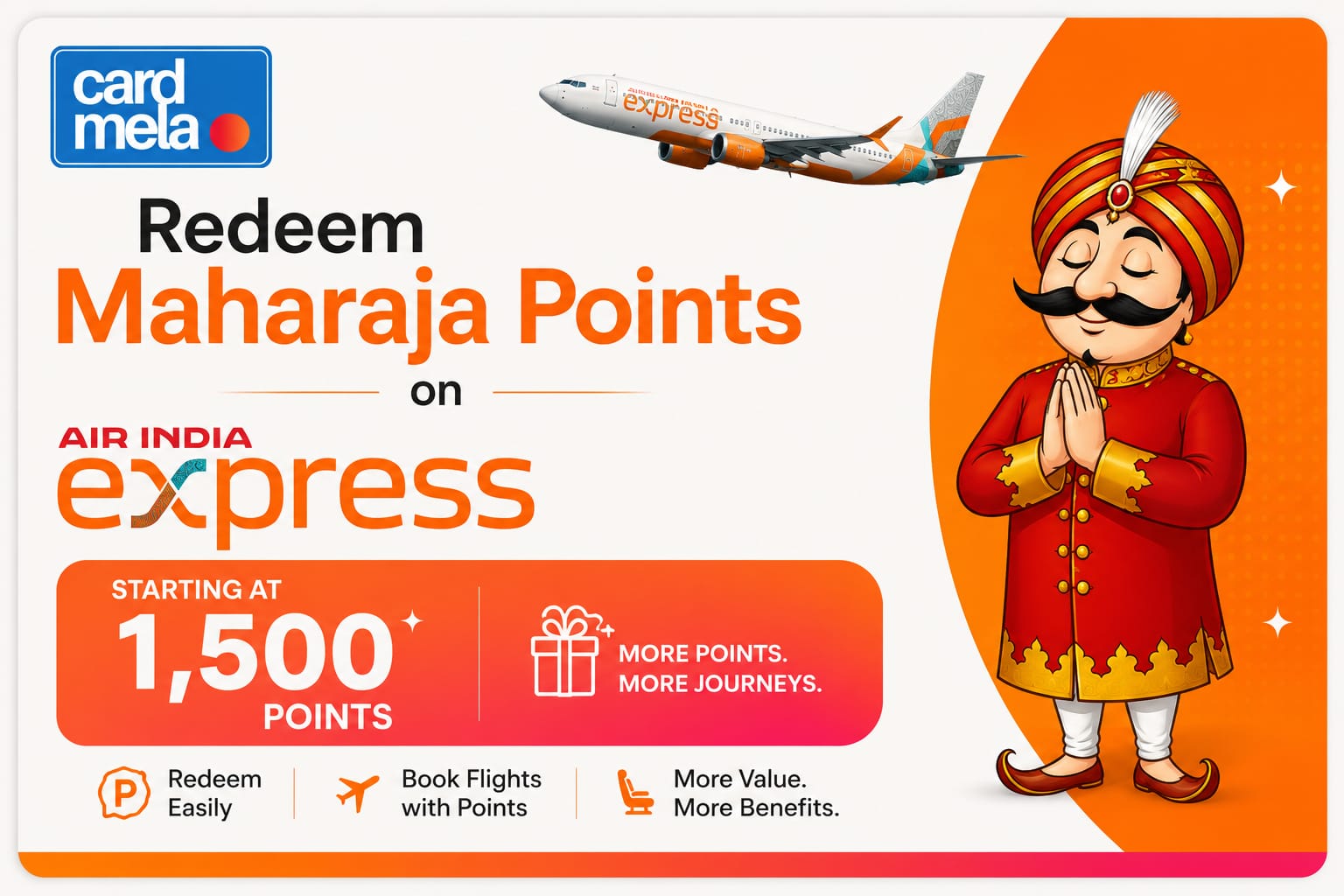
Amazing Deal: Redeem Maharaja Points on Air India Express Flights Starting at 1,500 Points
Table of Contents
Amazing Deal: Redeem Maharaja Points on Air India Express Flights Starting at 1,500 Points
Introduction
India’s travel and airline rewards ecosystem is evolving rapidly, and one of the biggest developments for frequent travelers is the ability to redeem Maharaja Points on Air India Express flights starting from just 1,500 points. This move is creating excitement among travelers, credit card users, and reward enthusiasts who want affordable domestic travel using loyalty points instead of cash.
With India witnessing explosive growth in:
- Credit card adoption
- Travel reward programs
- Digital payments
- Airline partnerships
- UPI-linked spending
- Cashback ecosystems
travel rewards are becoming a major part of consumer spending behavior.
Earlier, airline loyalty programs were mostly associated with premium international travelers. But now, airlines and banks are targeting middle-class consumers, salaried employees, young professionals, and digital-first travelers who frequently use:
- Ecommerce platforms
- Travel apps
- Credit cards
- UPI payments
- Reward systems
The ability to redeem Maharaja Points at lower thresholds is making airline rewards more accessible to ordinary Indian consumers.
This shift reflects a broader transformation happening across India’s financial and travel ecosystem.
Consumers are no longer asking:
“Should I use reward points?”
Instead, many now ask:
“How can I maximize every point I earn?”
What Are Maharaja Points?
Maharaja Points are loyalty reward points associated with Air India’s frequent flyer ecosystem.
Consumers can earn these points through:
- Flight bookings
- Partner airlines
- Hotel bookings
- Shopping platforms
- Travel portals
- Credit card spending
- Reward partnerships
The major attraction in 2026 is that these points can now be redeemed for select Air India Express flights starting from as low as 1,500 points, making domestic reward travel significantly more accessible.
Why This Update Is Important for Indian Travelers
This development matters because low redemption thresholds increase consumer engagement with airline loyalty ecosystems.
Traditionally, many Indian travelers believed airline points were difficult to use because:
- Redemption thresholds were high
- Availability was limited
- Premium flights required huge balances
- Reward systems felt complicated
But lower redemption entry points completely change consumer psychology.
Now even moderate spenders can realistically aspire to free or discounted flights.
Table: Traditional Airline Rewards vs New Low-Point Redemption Systems
| Traditional Rewards Systems | New Flexible Rewards Systems |
|---|---|
| High redemption thresholds | Lower entry barriers |
| Premium traveler focused | Mass-market accessibility |
| Limited engagement | Frequent reward usage |
| Complex systems | Simpler redemption appeal |
How Consumers Can Earn Maharaja Points Faster
Consumers can accelerate Maharaja Point accumulation through strategic spending behavior.
Popular earning methods include:
- Travel-focused credit cards
- Airline partner bookings
- Shopping rewards
- Dining partnerships
- Flight spending
- Travel portals
- Bonus campaigns
- Welcome reward offers
Modern consumers increasingly optimize daily spending specifically to maximize travel rewards.
Best Credit Cards for Earning Airline & Travel Rewards
Axis Bank Atlas Credit Card
Axis Atlas has become one of India’s strongest travel-oriented cards for consumers who frequently spend on flights, hotels, and travel experiences. The card focuses heavily on accelerated reward accumulation and travel milestones, making it suitable for users interested in building airline point balances quickly. Frequent travelers benefit significantly through travel conversion partnerships and premium travel-focused benefits.
HDFC Bank Regalia Gold Credit Card
HDFC Regalia Gold is highly popular among professionals and middle-income travelers who want premium travel experiences without ultra-premium annual fees. The card provides reward points across shopping, travel, dining, and lifestyle categories while offering airport lounge access and strong travel redemption flexibility.
American Express Platinum Travel Credit Card
American Express Platinum Travel focuses heavily on milestone-based travel rewards and premium redemption systems. Consumers aiming to maximize airline and hotel rewards often use this card for high annual spending categories because of its strong reward acceleration structure.
SBI Air India Signature Credit Card
SBI Air India Signature is directly aligned with Air India’s travel ecosystem and is particularly attractive for consumers wanting airline-specific benefits. Users can accumulate Maharaja Points through everyday spending while receiving travel-related privileges and reward bonuses linked to Air India systems.
ICICI Bank Emeralde Private Metal Credit Card
ICICI Emeralde Private Metal targets affluent travelers who prioritize premium travel privileges, airport experiences, concierge services, and accelerated rewards across luxury spending categories. The card appeals to high-income consumers seeking long-term travel optimization.
AU Bank Zenith+ Credit Card
AU Zenith+ has gained popularity among digitally active professionals who want premium travel rewards with strong dining, shopping, and airline partnerships. The card reflects the growing competition among private banks for India’s rapidly expanding travel-rewards consumer segment.
Table: Best Cards for Airline Rewards in 2026
| Credit Card | Best For |
|---|---|
| Axis Atlas | Frequent travelers |
| SBI Air India Signature | Air India rewards |
| HDFC Regalia Gold | Lifestyle travelers |
| Amex Platinum Travel | Milestone rewards |
| AU Zenith+ | Premium digital users |
Why Travel Reward Credit Cards Are Growing Rapidly in India
India’s travel industry is expanding rapidly due to:
- Rising middle-class incomes
- International tourism growth
- Digital travel booking apps
- Young travel-focused consumers
- Affordable airline ecosystems
- Reward-driven spending culture
Travel reward cards psychologically encourage spending because consumers feel they are converting ordinary expenses into future experiences.
This emotional aspect makes travel rewards highly powerful.
Benefits of Redeeming Maharaja Points on Air India Express
The biggest advantages include:
- Lower-cost domestic travel
- Better reward accessibility
- Faster redemption opportunities
- Improved travel flexibility
- Enhanced value from credit-card spending
- Better utilization of accumulated points
Consumers who previously ignored reward systems may now actively participate due to easier redemption thresholds.
Uses of Airline Reward Points in 2026
Modern airline rewards are no longer limited to premium international flights.
Consumers increasingly use points for:
- Domestic flight tickets
- Discounted travel bookings
- Seat upgrades
- Partner rewards
- Family travel savings
- Holiday planning
- Emergency travel needs
- Business travel optimization
This broader usability increases consumer engagement significantly.
Table: Common Uses of Airline Reward Points
| Usage Type | Popularity |
|---|---|
| Domestic flights | Extremely High |
| Travel upgrades | Growing |
| Holiday savings | High |
| Partner redemptions | Expanding |
Why Banks Love Travel Reward Ecosystems
Banks aggressively promote travel cards because travel rewards create long-term engagement.
Consumers emotionally connect with:
- Free flights
- Lounge access
- Holiday rewards
- International travel benefits
This often encourages higher spending activity and stronger customer loyalty.
Travel cards also tend to attract higher-income consumers who spend more consistently.
Hidden Psychology Behind Airline Reward Systems
Travel rewards create aspirational motivation.
Unlike cashback, airline points often feel emotionally valuable because consumers associate them with:
- Vacations
- Family trips
- Luxury experiences
- Freedom
- Lifestyle upgrades
This emotional psychology explains why travel cards remain one of the fastest-growing segments in India’s premium credit-card market.
Smart Tips for Maximizing Maharaja Points
Consumers should follow strategic reward habits.
Important tips include:
- Use travel cards for major expenses
- Track reward expiry dates
- Redeem points before devaluation
- Compare redemption value carefully
- Monitor airline offers regularly
- Avoid unnecessary spending for points
- Use milestone benefits intelligently
- Combine rewards with airline sales
The smartest travelers optimize rewards without overspending.
Table: Smart Reward Habits vs Dangerous Habits
| Smart Strategy | Risky Behavior |
|---|---|
| Planned spending | Emotional spending |
| Reward optimization | Reward obsession |
| Timely redemption | Ignoring expiry dates |
| Travel budgeting | Overspending for points |
Risks Consumers Should Understand
While airline rewards are attractive, consumers must understand potential risks.
Common issues include:
- Reward devaluation
- Expiry dates
- High annual fees
- Excessive spending pressure
- Difficult redemption windows
- Dynamic pricing systems
Many consumers spend excessively simply to “earn more points,” which can eliminate the actual financial value of rewards.
The Future of Airline Rewards in India
India’s airline reward ecosystem is expected to expand dramatically over the next decade.
Major future trends may include:
- AI-driven personalized rewards
- UPI-linked travel rewards
- Instant QR-based reward redemption
- Real-time airline cashback
- Dynamic loyalty ecosystems
- Integrated fintech travel systems
Travel rewards may soon become deeply integrated into India’s broader digital-payment infrastructure.
Internal Linking
- Best Credit Cards for International Travel in 2026
- HDFC SmartBuy Credit Card Offers
- Best Credit Cards for Summer Holiday Bookings
- UPI Credit Cards Becoming India’s Next Big Payment Trend
- Credit Cards That Work Best with Google Pay & PhonePe
- Best Credit Cards for Airport Lounge Access
- Axis Bank Credit Card Spend-Based Offers May 2026
- Food Delivery Cashback Offers in May 2026
- How to Build a Strong Credit Score by Swiping Your Credit Card
External Linking
- Air India
- Air India Express
- Axis Bank
- HDFC Bank
- American Express India
- SBI Card
- ICICI Bank
- Visa India
- Mastercard India
- Reserve Bank of India
Conclusion
The ability to redeem Maharaja Points on Air India Express flights starting at just 1,500 points marks a significant shift in India’s travel rewards ecosystem.
This move makes airline rewards more accessible to ordinary consumers and strengthens the connection between:
- Credit-card spending
- Digital payments
- Travel ecosystems
- Reward psychology
As India’s middle class expands and travel becomes increasingly aspirational, airline-linked credit cards may become one of the most competitive segments in the financial industry.
Banks, airlines, and fintech companies are all competing for one thing:
Consumer spending loyalty.
However, the smartest travelers understand one important reality:
Travel rewards are valuable only when spending remains disciplined.
Because free flights feel exciting…
…but debt-funded vacations are never truly free.
FAQs (Frequently Asked Questions )
What are Maharaja Points in Air India’s reward ecosystem?
Maharaja Points are loyalty reward points earned through Air India flights, partner spending, travel bookings, and eligible credit-card transactions. Consumers can redeem these points for flights, upgrades, and other travel-related benefits.
Why is the 1,500-point redemption threshold important?
Lower redemption thresholds make airline rewards more accessible for ordinary consumers. Earlier, many travelers believed airline points required extremely high balances, but lower entry barriers encourage broader participation.
Which credit cards are best for earning airline rewards in India?
Cards such as Axis Atlas, SBI Air India Signature, HDFC Regalia Gold, American Express Platinum Travel, and AU Zenith+ are highly popular among travel-focused consumers because they offer accelerated rewards and travel benefits.
Can airline reward points save significant travel costs?
Yes. Strategic reward optimization can substantially reduce domestic and international travel expenses, especially for consumers who regularly use travel-oriented credit cards for everyday spending.
Why are travel reward cards becoming more popular in India?
India’s rising middle class, increasing tourism culture, digital travel booking growth, and aspirational spending behavior are driving strong demand for travel-focused reward ecosystems.
Is it dangerous to overspend for airline points?
Yes. Many consumers emotionally overspend simply to earn rewards or achieve spending milestones. If spending is not planned carefully, the financial cost may exceed the actual value of the travel rewards earned.
Why do banks aggressively promote travel credit cards?
Travel rewards create strong emotional engagement because consumers associate them with vacations, luxury experiences, and aspirational lifestyles. This often increases customer loyalty and transaction activity.
Can Maharaja Points expire?
Yes. Like most airline loyalty programs, reward points may have expiry conditions depending on account activity and program policies. Consumers should regularly monitor validity periods.
How are fintech apps influencing airline reward systems?
Modern fintech ecosystems increasingly integrate travel rewards with digital payments, UPI systems, ecommerce spending, and app-based financial behavior, making travel rewards more mainstream.
What is the funniest reality about airline reward culture in India?
The funniest reality is that many consumers proudly spend ₹2 lakh chasing “free flights” while later discovering they also spent ₹25,000 extra on impulsive purchases just to earn enough points for the reward ticket.
Author Bio
The founder and content strategist behind CardMela is a passionate financial content creator focused on simplifying credit cards, digital banking, cashback systems, UPI innovations, and personal finance for Indian consumers. With extensive experience analyzing banking trends and fintech developments, CardMela has become a trusted platform for readers looking to make smarter financial decisions in India’s rapidly evolving digital economy.
The platform regularly covers topics such as credit card rewards, cashback offers, spend-based campaigns, travel benefits, fuel savings, digital-payment security, and modern banking technologies. Its content is designed to help consumers maximize value from everyday spending while avoiding common financial mistakes like hidden charges, debt traps, impulsive EMI usage, and fraud risks.
CardMela strongly focuses on practical financial awareness by publishing easy-to-understand guides, detailed card comparisons, banking explainers, and consumer-focused tips that simplify complex financial products for both beginners and experienced users.
Whether you’re looking for cashback, travel rewards, fuel savings, or lifetime free cards — CardMela helps you compare, analyze, and choose the credit card that fits your lifestyle perfectly. We partner with leading partners to bring you exclusive offers and detailed insights, so you can make smart financial decisions with confidence.
© 2025 CardMela.com. All rights reserved.
