
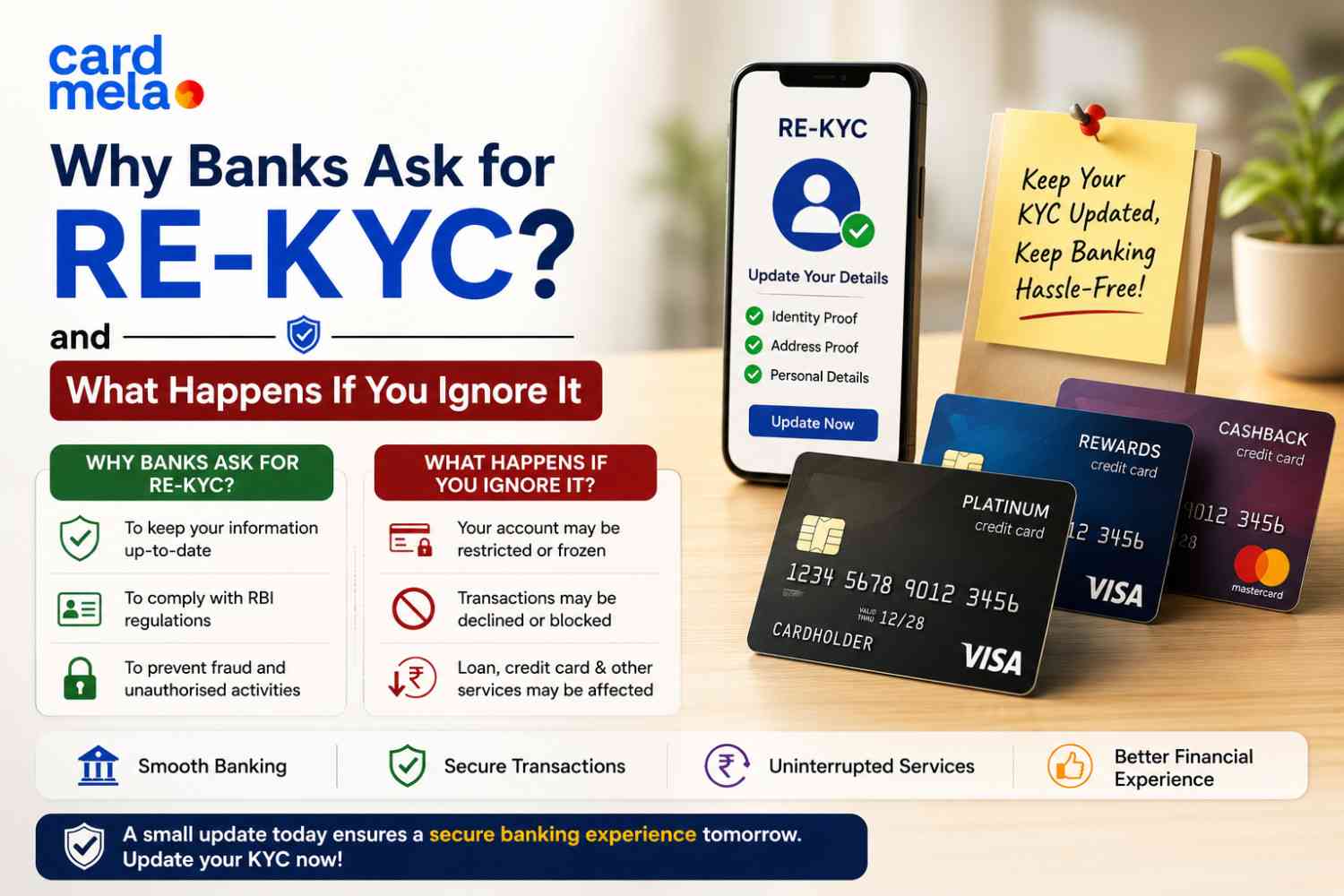
Critical Banking Alert: 5 Risks of Missing Your Re-KYC Update
Table of Contents
Critical Banking Alert: 5 Risks of Missing Your Re-KYC Update
Introduction
If you have recently received a message from your bank asking you to complete Re-KYC, you are not alone. Millions of banking customers across India receive Re-KYC notifications every year, often leading to confusion and concern. Many people assume these messages are promotional alerts or optional requests and ignore them completely. However, failing to complete Re-KYC can sometimes lead to restrictions on banking services, transaction limitations, and inconvenience when accessing your own money.
Re-KYC, or Re-Know Your Customer, is a process through which banks periodically verify and update customer information. Financial institutions are required to maintain accurate records of customer identity, address, occupation, contact information, and other important details. These updates help banks comply with regulatory requirements while protecting customers from fraud, identity theft, money laundering, and unauthorized account activity.
As banking becomes increasingly digital and financial crimes become more sophisticated, regulatory authorities expect banks to maintain updated customer records. This makes Re-KYC an important part of modern banking operations. Understanding why banks request Re-KYC and how it affects customers can help individuals avoid unnecessary disruptions and maintain smooth access to financial services.
What Is Re-KYC?
Re-KYC stands for Re-Know Your Customer. It is the process through which banks periodically verify customer information that was originally collected when the account was opened.
The objective is to ensure that customer records remain accurate and up to date. Banks may request verification of:
- Name
- Address
- Mobile number
- Email address
- PAN details
- Aadhaar information
- Occupation details
- Income category
- Identity documents
Re-KYC is not a sign of any problem with your account. Instead, it is a normal compliance requirement followed by financial institutions.
Why Banks Conduct Re-KYC
Banks operate under strict regulatory frameworks designed to maintain transparency and financial security. Customer information may change over time due to relocation, employment changes, marriage, retirement, or other life events. Without periodic updates, account records may become outdated.
Re-KYC helps banks:
- Maintain accurate customer records
- Prevent fraud and identity theft
- Comply with regulatory requirements
- Detect suspicious financial activity
- Reduce money laundering risks
- Improve customer security
- Strengthen financial system integrity
Table: Common Reasons for Re-KYC Requests
| Reason | Explanation |
|---|---|
| Regulatory Compliance | Required under banking regulations |
| Address Change | Customer may have moved |
| Contact Update | Mobile or email verification |
| Risk Assessment | Updated customer profiling |
| Fraud Prevention | Enhanced security measures |
| Document Expiry | Verification of existing records |
| Financial Monitoring | Regulatory reporting requirements |
What Happens If You Ignore Re-KYC?
Ignoring Re-KYC requests may not create immediate problems, but over time banks may impose restrictions depending on regulatory requirements and account status.
Possible consequences include:
- Limited transaction capabilities
- Temporary restrictions on certain services
- Delays in processing requests
- Inability to open new banking products
- Reduced access to specific facilities
- Compliance-related account reviews
The exact impact depends on the bank’s policies and applicable regulations.
Table: Potential Consequences of Ignoring Re-KYC
| Action Ignored | Possible Outcome |
|---|---|
| Re-KYC Reminder | Additional notifications |
| Multiple Reminders Ignored | Service restrictions |
| Long-Term Non-Compliance | Transaction limitations |
| Unverified Contact Details | Communication issues |
| Outdated Documents | Verification delays |
| Regulatory Review | Additional documentation requests |
Benefits of Completing Re-KYC
Completing Re-KYC helps customers maintain uninterrupted banking access and improves account security. Updated information allows banks to communicate important updates, fraud alerts, OTPs, transaction confirmations, and service notifications efficiently.
Benefits include:
- Smooth banking experience
- Better fraud protection
- Updated customer records
- Faster service requests
- Improved account security
- Regulatory compliance
- Reduced risk of transaction disruptions
Best Credit Cards for Digitally Active Banking Customers
HDFC Bank Millennia Credit Card
The HDFC Bank Millennia Credit Card is popular among customers who frequently use digital banking services, online shopping platforms, and electronic payments. The card provides cashback opportunities across multiple online categories while helping users establish a strong credit history. Responsible usage can strengthen financial credibility and support future banking relationships.
ICICI Bank Coral Credit Card
The ICICI Bank Coral Credit Card combines lifestyle benefits with practical financial features. It is suitable for customers who regularly use banking apps, utility payments, and digital transactions. Consistent repayment behavior contributes positively toward credit profile development.
Axis Bank Airtel Credit Card
The Axis Bank Airtel Credit Card appeals to customers seeking cashback on recurring household expenses. Utility payments, telecom bills, and everyday spending can generate value while helping cardholders maintain an active and healthy credit record.
SBI Cashback Credit Card
The SBI Cashback Credit Card is increasingly popular among digital consumers because it offers straightforward cashback rewards across various online spending categories. For customers who actively manage finances through digital channels, this card can provide substantial value.
Kiwi RuPay Credit Card
The Kiwi RuPay Credit Card represents the growing trend of UPI-linked credit card spending in India. It enables users to combine UPI convenience with credit card benefits while maintaining a strong digital payment footprint.
Table: Documents Commonly Requested During Re-KYC
| Document | Purpose |
|---|---|
| Aadhaar Card | Identity & Address Verification |
| PAN Card | Tax Compliance |
| Passport | Identity Verification |
| Driving License | Address Verification |
| Voter ID | Identity Verification |
| Utility Bill | Address Confirmation |
| Recent Photograph | Customer Verification |
Table: Customer Risk Categories and Re-KYC Frequency
| Customer Category | Typical Re-KYC Requirement |
|---|---|
| Low Risk Customers | Every 10 Years |
| Medium Risk Customers | Every 8 Years |
| High Risk Customers | Every 2 Years |
| Politically Exposed Persons (PEPs) | More Frequent Reviews |
| NRI Customers | As Per Bank Policy |
| Business Accounts | Periodic Verification Required |
Table: Information Commonly Updated During Re-KYC
| Information Type | Why Banks Update It |
|---|---|
| Residential Address | To maintain accurate records |
| Mobile Number | For OTPs and alerts |
| Email Address | Communication and statements |
| PAN Details | Tax compliance |
| Aadhaar Information | Identity verification |
| Occupation Details | Risk profiling |
| Income Category | Customer classification |
| Signature Records | Security verification |
Tips to Complete Re-KYC Smoothly
Customers should always verify that Re-KYC requests originate from official banking channels before sharing any information. It is advisable to update KYC only through official branches, internet banking portals, mobile banking applications, or authorized customer service channels.
Avoid sharing OTPs, PINs, passwords, CVV numbers, or internet banking credentials during Re-KYC. Legitimate banks do not ask for such sensitive information. Maintaining updated contact details and responding promptly to official communications can help prevent unnecessary account restrictions.
Keeping digital copies of identity and address documents readily available can also make the Re-KYC process faster and more convenient.
Internal Linking
- UPI Credit Cards Becoming India’s Next Big Payment Trend
- How to Build a Strong Credit Score by Swiping Your Credit Card
- Why Banks Want More Customers Using Digital Payments
- India’s Banking System Becoming More AI-Powered
- How Debt Settlement Affects Your Credit Score
- Google Pay, PhonePe & Paytm Credit Card Features Compared
- Hidden Credit Card Charges Most Users Ignore
- What Is a Credit Card Reissue?
External Linking
External Linking
- Reserve Bank of India (RBI)
- National Payments Corporation of India (NPCI)
- UIDAI (Aadhaar)
- DigiLocker
- TransUnion CIBIL
- Experian India
- CRIF High Mark
Conclusion
Re-KYC is an essential part of modern banking that helps maintain accurate customer records, strengthen security measures, and support regulatory compliance. While many customers view Re-KYC requests as routine administrative tasks, ignoring them can sometimes lead to service disruptions and inconvenience.
Banks conduct Re-KYC not only to satisfy regulatory obligations but also to protect customers against fraud, identity theft, and unauthorized account activity. By maintaining updated records, financial institutions can provide more secure and efficient banking services.
Customers should treat Re-KYC requests seriously and complete the process through official channels whenever required. Staying proactive ensures uninterrupted access to banking services, faster customer support, and improved financial security.
FAQs (Frequently Asked Questions)
Why do banks ask customers to complete Re-KYC?
Banks ask customers to complete Re-KYC because customer information can change over time. Regulatory authorities require financial institutions to maintain accurate and updated records. Re-KYC helps verify identity details, contact information, address records, and customer profiles while supporting fraud prevention and regulatory compliance efforts.
Is Re-KYC mandatory for all bank customers?
The requirement depends on customer category, risk profile, account type, and regulatory guidelines. Banks periodically review accounts and may request Re-KYC from customers whose records require updating. Ignoring official requests may eventually lead to service-related complications.
What happens if I ignore multiple Re-KYC reminders?
Ignoring repeated Re-KYC requests can result in limitations on certain banking services. Depending on regulatory requirements and bank policies, customers may experience restrictions on transactions, delays in service requests, or additional verification procedures before accessing certain facilities.
Can Re-KYC be completed online?
Many banks now offer digital Re-KYC facilities through internet banking, mobile banking applications, video KYC systems, and secure online portals. Availability depends on the bank’s technology infrastructure and regulatory eligibility criteria.
Which documents are generally required for Re-KYC?
Most banks request identity and address verification documents such as Aadhaar Card, PAN Card, Passport, Driving License, Voter ID, or utility bills. Requirements vary depending on customer profile and account type.
Is Re-KYC related to income tax compliance?
Re-KYC itself focuses on updating customer information, but accurate PAN details and identity records can support broader financial compliance requirements, including tax-related reporting obligations where applicable.
Can fraudsters misuse Re-KYC messages?
Yes. Cybercriminals sometimes send fake Re-KYC messages to steal personal information. Customers should verify all requests through official banking channels and never share OTPs, passwords, PINs, or CVV numbers with anyone.
How often do banks ask for Re-KYC?
The frequency varies based on customer risk categorization and regulatory requirements. Some customers may receive requests more frequently than others depending on account activity and compliance classifications.
Will my account be closed if I do not complete Re-KYC?
Banks generally provide multiple reminders and opportunities for compliance. However, continued non-compliance may result in restrictions or additional verification requirements. Customers should respond promptly to avoid inconvenience.
Why is Re-KYC becoming more important in digital banking?
As digital banking expands, maintaining accurate customer records becomes increasingly important for fraud prevention, cybersecurity, regulatory compliance, and customer protection. Re-KYC helps banks manage these responsibilities effectively.
Author Bio
CardMela is a trusted personal finance platform focused on helping Indian consumers understand credit cards, banking services, loans, digital payments, UPI innovations, and financial regulations. Through detailed guides, expert analysis, product comparisons, and practical money-saving strategies, CardMela simplifies complex financial topics and empowers readers to make informed financial decisions. The platform regularly covers banking updates, RBI regulations, fintech developments, cashback opportunities, and credit-building techniques designed for modern Indian consumers.
Whether you’re looking for cashback, travel rewards, fuel savings, or lifetime free cards — CardMela helps you compare, analyze, and choose the credit card that fits your lifestyle perfectly. We partner with leading partners to bring you exclusive offers and detailed insights, so you can make smart financial decisions with confidence.
© 2025 CardMela.com. All rights reserved.
